Microsoft has quietly removed support pages from its Windows Learning Center that previously recommended 32GB of RAM as the ideal memory configuration for Windows 11, particularly for gaming PCs.
The move was first reported by Windows Latest, which found that several Learning Center articles published by Microsoft now redirect to the homepage instead of their original content.
One of the removed pages, titled How to optimize your gaming PC setup, was published in November 2025. It stated that while 16GB of RAM was sufficient for most gamers, 32GB was the preferred option for users seeking the best gaming experience.
Another support article removed earlier this year similarly described 16GB as the baseline and 32GB as the "no worries" upgrade for Windows 11 systems.
Recommendation disappears as RAM prices rise
Microsoft has not explained why the pages were removed.
The change comes as memory prices have increased significantly, with industry demand driven largely by artificial intelligence infrastructure and data centres. Higher demand has pushed up the cost of DDR4 and DDR5 memory kits, making 32GB configurations more expensive for consumers.
Despite deleting the recommendations, Microsoft has not announced any major reduction in Windows 11's memory requirements.
Many users and reviewers continue to consider 16GB the practical minimum for a smooth Windows 11 experience, while 32GB remains the preferred option for heavy multitasking, gaming and future-proofing.
Performance improvements planned
Microsoft has recently said it is working to improve Windows 11's performance on devices with 8GB of RAM, although no detailed rollout timeline has been announced.
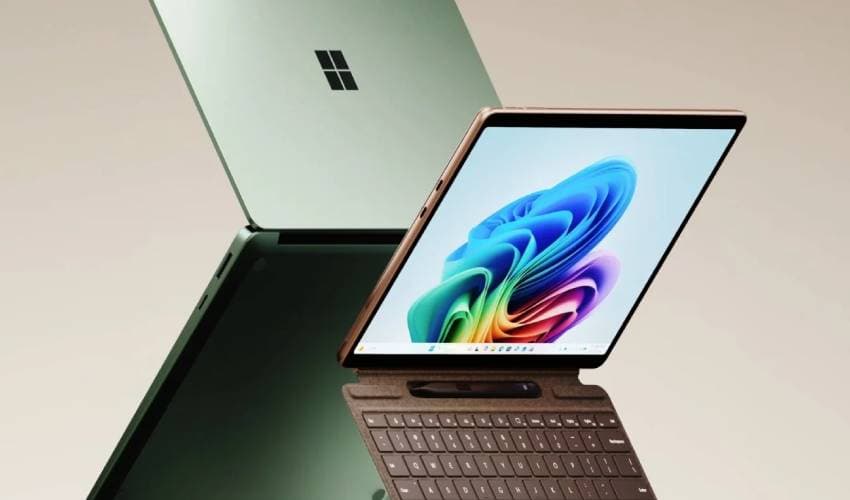
The effort aligns with the company's new entry-level Surface devices, which ship with 8GB of memory in their base configurations.
Reports have also linked Microsoft's internal "Windows K2" project to broader performance optimisations aimed at making Windows 11 run more efficiently on lower-end hardware.
Meanwhile, Windows 10 continues to perform more comfortably on systems with limited memory, a factor that analysts say has contributed to many users delaying the switch to Windows 11.