Pakistan's digital economy is being held back by heavy taxation and infrastructure gaps, according to a new Asian Development Bank (ADB) report, which warns that the country lags behind in 4G coverage, 5G preparedness and fiber optic expansion.
The Asian Development Bank has released a report on Pakistan's digital ecosystem, identifying infrastructure weaknesses and high taxation as two of the biggest barriers to the country's digital transformation.
According to the report, Pakistan's telecom sector faces the highest tax burden in the region, making it more difficult to attract investment and accelerate digital growth.
The ADB report says Pakistan's 4G coverage remains below the desired level, while the country's readiness for 5G technology is still inadequate.
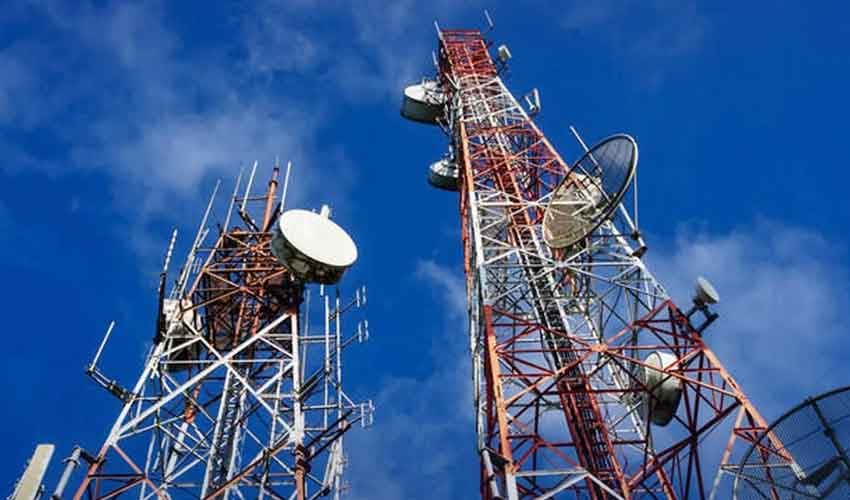
The report also points to the country's limited fiber optic network, saying insufficient fiber infrastructure is restricting the expansion of digital connectivity and high-speed internet services.
Digital sector contributes only 5.1% to GDP
According to the report, Pakistan's digital sector accounts for just 5.1% of the country's gross domestic product (GDP), highlighting the significant room for growth in the digital economy.
The ADB notes that stronger digital infrastructure and increased investment could help unlock the sector's economic potential and contribute more significantly to national growth.
Broadband penetration remains low
The report states that fixed broadband penetration in Pakistan stands at only 3.1%, indicating that high-speed fixed internet remains limited across the country.
While around 80% of Pakistan's population has access to mobile internet, internet usage remains uneven. According to the ADB, 53% of men use the internet compared with 33% of women, underscoring a significant gender gap in digital access.
ADB recommends expanding fiber networks
To strengthen Pakistan's digital economy, the Asian Development Bank has recommended creating a more investment-friendly environment for the telecom sector.
The report also calls for expanding fiber optic networks in underserved and backward areas, while increasing the availability of fiber broadband in public institutions, including schools and hospitals, to improve digital connectivity and access to essential services.
According to the ADB, these measures would help build a stronger digital ecosystem, improve internet access, and support long-term economic development.