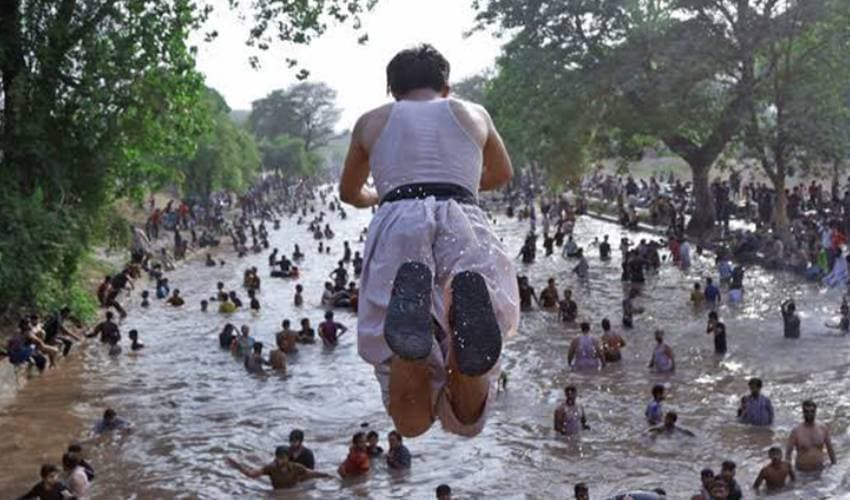
Swimming in rivers, lakes and other natural water bodies—commonly known as wild swimming or open-water swimming—is becoming increasingly popular worldwide, but health experts warn the activity can carry hidden risks.
Experts say spending time in natural water can help reduce stress and improve mental wellbeing. However, heavy rainfall, sewage overflows and agricultural runoff can contaminate water and expose swimmers to potentially serious illnesses.
According to health specialists, rivers are often unsafe for swimming for 24 to 72 hours after heavy rain because stormwater carries sewage, soil and other pollutants into natural water bodies.
These conditions can significantly increase the concentration of harmful bacteria and other disease-causing microorganisms.
Studies have shown that the more water a person accidentally swallows while swimming, the greater the risk of developing gastrointestinal illnesses such as diarrhoea, stomach pain and vomiting.
Children are considered particularly vulnerable because they tend to swallow more water while swimming.
Experts also warn of leptospirosis, a bacterial infection that can be contracted through contaminated water. The disease can damage the kidneys and liver and, in severe cases, become life-threatening.
Another concern is the growth of blue-green algae (cyanobacteria) in warm or stagnant water. These organisms can release toxins that may affect the skin, eyes, liver and nervous system.
Health authorities advise avoiding swimming if the water appears green, cloudy or foamy, if dead fish are visible, or if there is a smell resembling sewage or chemicals.
Experts note that official water quality reports remain useful but may not always reflect current conditions because laboratory test results are often published one or two days after samples are collected.
Instead of relying solely on official monitoring, swimmers are encouraged to consider recent weather conditions, rainfall, the appearance of the water and local environmental conditions before entering natural water bodies.
Health experts also recommend avoiding swallowing water, covering any cuts or wounds before swimming, showering immediately afterwards and seeking prompt medical attention if symptoms such as fever, chills or severe headaches develop.