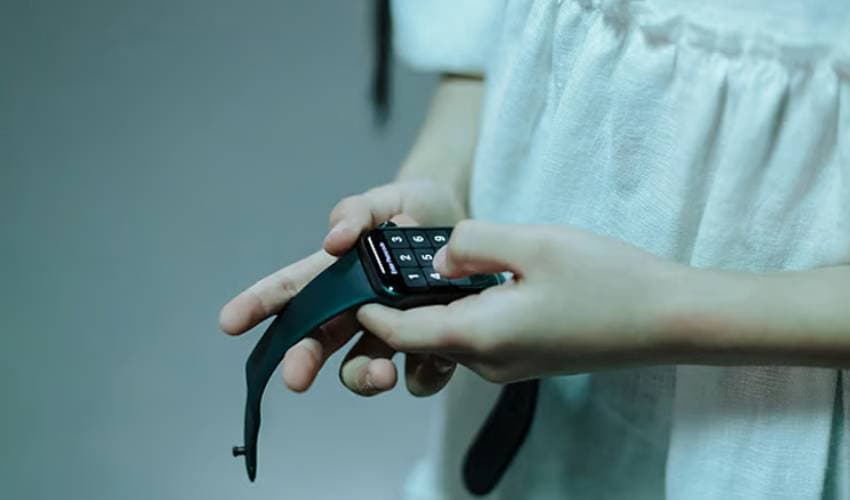
Smartwatches have become sophisticated health-monitoring devices capable of tracking heart rate, sleep, stress levels, physical activity and recovery scores. However, health experts warn that excessive reliance on these metrics can contribute to a growing form of health-related anxiety.
According to specialists, the issue is not the technology itself but allowing smartwatch readings to outweigh the body's own signals and professional medical guidance.
Nergiza Neumann Zander, founder of X Technology, said health data is useful when it helps people make informed decisions, but it can become harmful when daily scores begin to dictate emotions and behaviour.
She said one warning sign is checking a smartwatch immediately after waking up instead of first noticing how the body actually feels.
Trusting numbers over personal awareness
Experts say people who are naturally anxious, perfectionists or have a strong need for control may be more likely to become overly dependent on smartwatch data.
A poor sleep score or low recovery rating may be interpreted as evidence of a serious health problem, even when no medical condition exists.
Specialists noted that while numerical readings appear objective, most smartwatch algorithms provide estimates based on patterns rather than a complete medical assessment.
"A low recovery score does not necessarily mean you are unhealthy," experts said, adding that the human body produces many signals that wearable devices cannot fully measure.
Health data can influence behaviour
Experts warned that frequent monitoring may cause users to misinterpret normal physical changes as signs of illness.
Temporary fatigue, reduced sleep or slight changes in heart rate are common. However, when a smartwatch labels them as "high stress" or "poor recovery," some users may begin to believe they are unwell.
A low recovery score may also prompt people to skip exercise, delay important tasks or underestimate their physical ability despite being healthy.
Wearables cannot replace medical advice
Dr. John Nicholas Strickling, consultant cardiologist at MedCare Al Safa, said smartwatches have improved public awareness of health but should never replace professional medical evaluation.
He said wearable devices can provide useful information about heart rate, sleep patterns and physical activity, but individual readings should always be interpreted within the broader medical context.
Experts added that factors such as movement, poor sensor contact, dehydration, stress, caffeine and environmental conditions can affect smartwatch readings.
Doctors emphasised that while a smartwatch may alert users to a potential issue, only a qualified healthcare professional can confirm a diagnosis through medical history, examination and appropriate tests.
Focus on long-term trends
Health specialists recommend that most healthy individuals pay attention to long-term improvements in exercise, sleep quality and lifestyle habits rather than daily fluctuations in health scores.
People living with conditions such as hypertension, diabetes or heart disease may also benefit from monitoring certain health indicators under medical supervision.
Experts stressed that good health is measured by consistent physical and mental well-being—not by achieving perfect smartwatch scores every day.
Signs you may be relying too much on your smartwatch
Experts advise users to reassess their habits if they:
- Feel anxious when they cannot check their smartwatch.
- Allow daily health scores to determine their mood.
- Trust smartwatch readings more than their own physical sensations.
- Feel guilty after receiving poor health scores.
- Avoid normal activities solely because of a low recovery rating.
- Repeatedly check health metrics throughout the day.
They concluded that wearable technology should support healthier lifestyles by providing useful insights, rather than undermining confidence in one's own body or replacing professional medical advice.