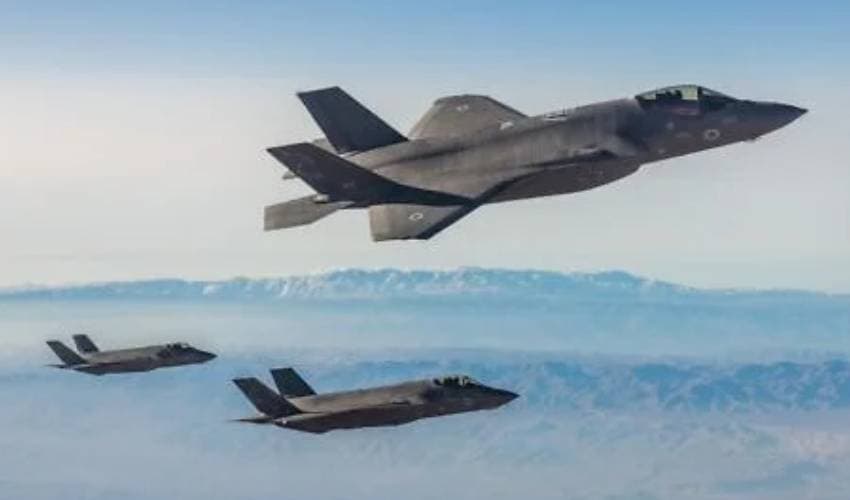
The United States and Saudi Arabia launched strikes against Iran-backed groups in Iraq on Wednesday, escalating tensions across the region as Tehran warned that blaming Iran for attacks would be a “major miscalculation.”
The strikes targeted sites in eastern Iraq that Washington and Riyadh said were used by Iran-backed groups to coordinate drone attacks on Saudi oil facilities.
Saudi Arabia said its air defences had intercepted several drones targeting oil installations in the kingdom’s Eastern Province, accusing Iran-aligned militias in Iraq of carrying out the attacks.
The US Central Command and Saudi Defence Ministry later confirmed strikes on multiple locations, saying they were aimed at disrupting further attacks.
Iraq warns of dangerous escalation
Iraq’s Popular Mobilisation Forces (PMF) said several of its official headquarters were hit by US and Saudi forces, describing the strikes as a serious violation of Iraqi sovereignty.
The group said preliminary reports showed several casualties and damage to facilities, while assessments were still ongoing.
An Iraqi official warned that the attacks risked a “major miscalculation” and could further destabilise the region.
Iran denies involvement, warns against retaliation
Iran rejected accusations that it was behind attacks on Saudi targets, saying linking Tehran to such operations was a mistake.
Iran’s Revolutionary Guards said they had launched attacks on three oil tankers in the Strait of Hormuz after the vessels allegedly ignored warnings over an “unsafe and illegal route.”
Reuters could not independently verify the claim.
The IRGC also warned that resistance would continue as long as what it described as threats and unlawful actions by US forces continued.
Strait of Hormuz tensions continue
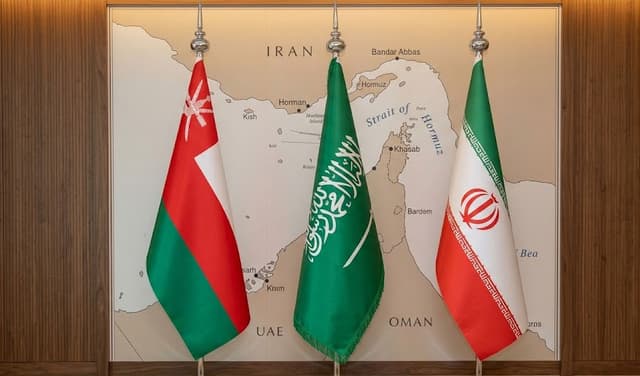
The latest strikes came as Oman proposed a regional plan to help manage the Strait of Hormuz, a key global energy route.
The proposal reportedly includes a voluntary contribution system from ships using the waterway, similar to arrangements used in other international shipping channels.
Iran has maintained that it has influence over the strategic strait, while the United States has rejected any restrictions on commercial navigation.
Oil markets react to rising tensions
Oil prices rose by more than $3 a barrel following the US-Saudi strikes, reflecting concerns that the conflict could expand and threaten energy supplies.
The latest exchange of attacks follows a brief pause in fighting after US President Donald Trump halted a two-week bombing campaign, with both sides appearing to move toward a temporary ceasefire.


.jpg&w=256&q=75 "PML-N wins 9, PPP secures 4 seats in first phase of AJK elections")