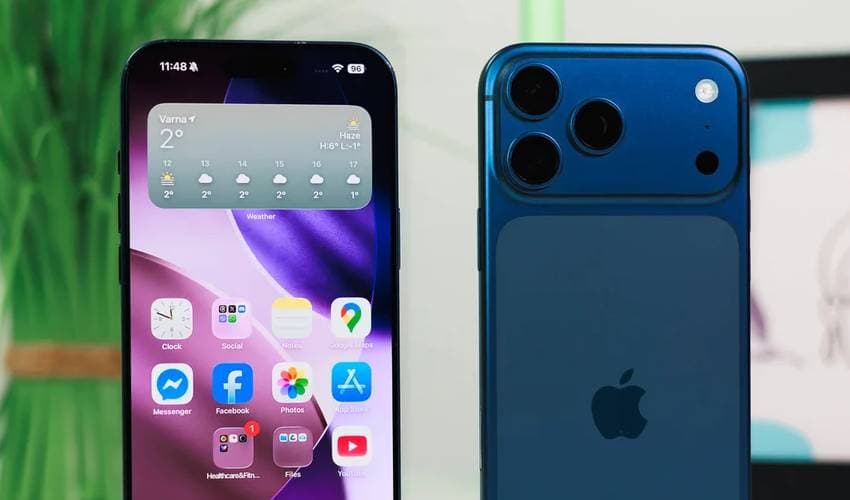
Apple's upcoming iPhone 18 Pro, iPhone 18 Pro Max and long-rumoured foldable iPhone Ultra could face limited availability at launch due to a global shortage of memory chips, according to a semiconductor industry analyst.
Analyst Tim Culpan said Apple is struggling to secure sufficient dynamic random-access memory (DRAM) for production of its next-generation flagship iPhones. As a result, Taiwan Semiconductor Manufacturing Company (TSMC) reportedly has around $1 billion worth of unpackaged A20 Pro processors awaiting memory chips before assembly can be completed.
New chip design complicates production
Apple's A20 Pro processor is expected to be built using TSMC's advanced 2-nanometre manufacturing process and a new Wafer-Level Multi-Chip Module (WMCM) packaging technology.
Unlike previous designs, the processor and DRAM are integrated at the wafer level, meaning memory chips must be available during the manufacturing process. This prevents Apple from producing processors first and adding memory later, creating a production bottleneck when DRAM supplies are limited.
The shortage is expected to delay logic board production and final assembly at manufacturing partners such as Foxconn.
AI demand driving memory shortages
Industry analysts say DRAM manufacturers have been prioritising high-performance memory for artificial intelligence (AI) data centres because those products generate higher profits than chips used in consumer electronics.
The supply constraints have already affected several Apple products, including the Mac Studio, Mac mini and MacBook Air, which have experienced longer delivery times in recent months.
Foldable iPhone could be hardest to find
The foldable iPhone Ultra is expected to face the greatest supply constraints due to its more complex design and manufacturing process.
While some reports suggest Apple could unveil the device alongside the iPhone 18 Pro lineup in September before releasing it later in October or November, others believe all three premium models will launch simultaneously.
The foldable iPhone is expected to carry a price tag of up to $2,500, while analysts also expect the iPhone 18 Pro and Pro Max to become up to $300 more expensive due to rising component costs, particularly for memory.
Consumers urged to preorder early
Apple and its manufacturing partners reportedly believe they can meet initial launch demand, but retail inventory could be exhausted quickly, leading to extended shipping times.
Last year, the iPhone 17 Pro, iPhone 17 Pro Max and iPhone Air sold out shortly after preorders opened, with delivery dates slipping into October.
With Apple reportedly delaying the launch of the standard iPhone 18 until early 2027, demand is expected to be concentrated on the premium models, increasing the likelihood of supply shortages during the initial release period.