Being slim or physically fit does not guarantee protection against high cholesterol, a UK cardiologist has warned, urging people to undergo regular blood tests regardless of their weight or lifestyle.
Dr. Zoe Estrolaux, a consultant cardiologist at New Victoria Hospital in London, said many people mistakenly believe that high cholesterol only affects those who are overweight, older or have unhealthy eating habits.
She explained that high cholesterol can remain undetected for years because it usually causes no noticeable symptoms, earning it the reputation of being a "silent threat."
If left untreated, elevated cholesterol levels can significantly increase the risk of heart attacks, strokes and other cardiovascular diseases, even in people who appear healthy.
Dr. Estrolaux said maintaining a healthy weight, exercising regularly and eating a balanced diet are important for overall health but do not guarantee normal cholesterol levels.
"The only reliable way to know your cholesterol level is through a blood test," she said, noting that many people live with high cholesterol for years without experiencing any warning signs.
She also stressed the importance of regular cholesterol screening for people with a family history of high cholesterol or heart disease, even if they feel perfectly healthy.
Health experts explain that cholesterol is a fatty substance carried through the bloodstream by different types of lipoproteins.
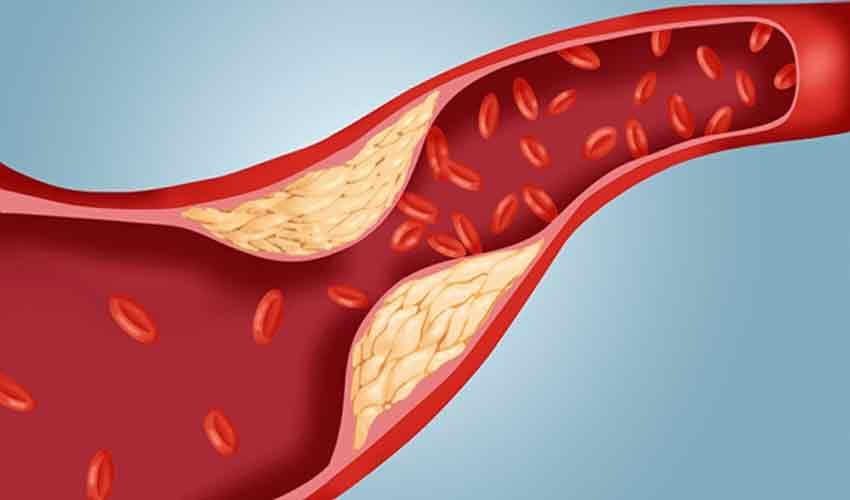
Low-density lipoprotein (LDL), commonly known as "bad cholesterol," can build up inside artery walls, narrowing blood vessels and restricting blood flow to the heart and brain.
In contrast, high-density lipoprotein (HDL), or "good cholesterol," helps remove excess cholesterol from the bloodstream. Low HDL levels reduce the body's ability to clear harmful cholesterol, increasing the risk of cardiovascular disease.
Experts recommend that adults have their cholesterol checked periodically regardless of age, body weight or physical appearance to ensure early detection and timely treatment of any underlying risks.