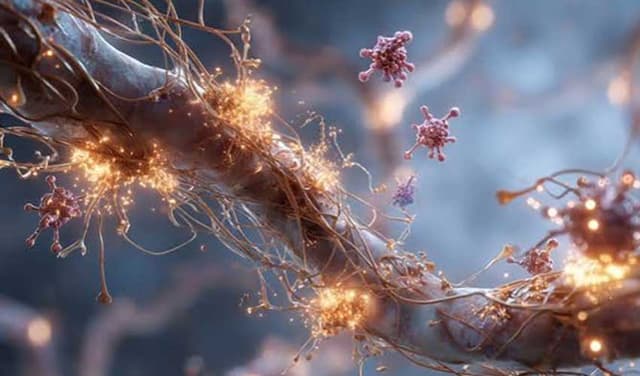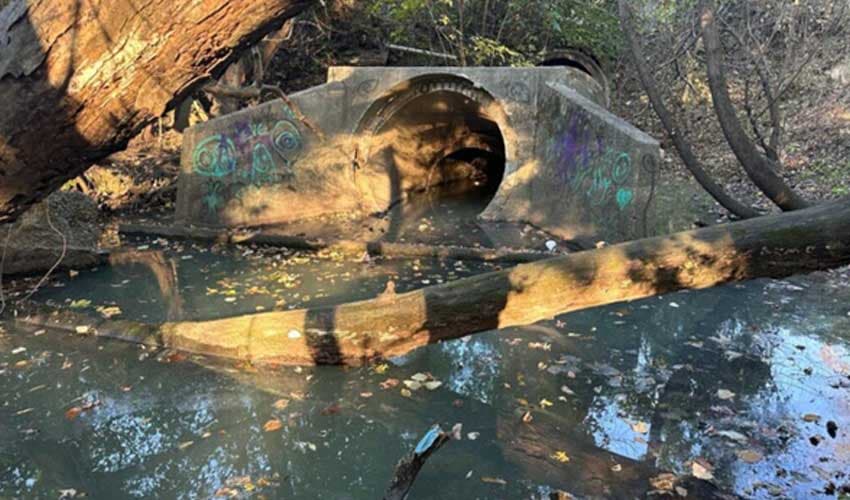
Researchers at the University of Córdoba in Spain have said that bacteria living in rivers could help scientists identify pollution that traditional water tests may miss.
The study, published in the Journal of Contaminant Hydrology, examined the full course of Spain's Guadalquivir River. It combined conventional water testing with an analysis of microbial communities to gain a clearer picture of the river's health.
Scientists collected water samples from 20 sites along the 657-kilometre river after the dry season, when water conditions are often at their most difficult. They analysed oxygen levels, acidity, turbidity and other chemical indicators, while also studying the bacteria present in the water.
River water quality good in most areas
The research found that the river's overall water quality remained good, although some areas showed signs of gradual decline, particularly in the middle and lower sections.
Researchers found that bacterial communities sometimes showed warning signs even when chemical tests indicated that the water was healthy. A decline in bacterial diversity and an increase in pollution-tolerant microorganisms pointed to possible ecological stress that standard measurements had not detected.
Scientists said pollutants can interact in complex ways, producing harmful effects that may not always appear in conventional water analysis. They said the study of bacteria provides a biological early warning system by showing how living organisms respond to changes in their environment.
The research team said combining chemical testing with microbial analysis could improve pollution monitoring and help identify environmental risks before they become severe.
The findings highlighted the growing role of microbiology in protecting freshwater ecosystems and improving understanding of hidden threats to water quality.