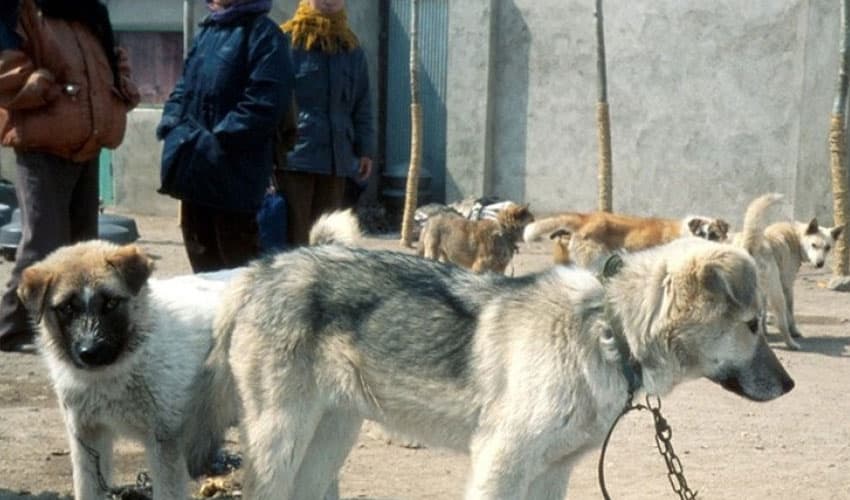
North Korea has urged residents to consume traditional foods, including dog-meat soup, as the country experiences a record-breaking heatwave that has pushed temperatures to their highest level since weather records began.
According to state media, temperatures reached 36.7°C (98.1°F) on Thursday, marking the hottest reading ever recorded in the country.
The hottest period of the Korean summer, known locally as sambok, or the "dog days of summer," has received extensive coverage in North Korean media this year.
Traditional remedies promoted
The ruling Workers' Party newspaper, Rodong Sinmun, quoted a doctor from Pyongyang General Hospital as recommending cooling foods such as watermelon, cucumbers and mung beans, alongside nutritious dishes including dog-meat soup, fish porridge and red-bean porridge.
In a separate article, the newspaper described dog-meat soup as a traditional summer dish and cited an old Korean proverb claiming that "even if dog-meat soup spills on the top of your foot during the dog days of summer, it becomes medicine."
State media also reported that a national dog-meat cooking competition had been held earlier this year.
Meanwhile, the Korean Central News Agency (KCNA) highlighted samgyetang—a chicken soup made with ginseng, glutinous rice and jujubes—as another popular dish believed to help people cope with the heat.
Heatwave advice
North Korean television aired programmes advising people to stay hydrated, swim safely and exercise cautiously during periods of extreme heat.
Authorities have not released any figures on heat-related illnesses or deaths.
In neighbouring South Korea, officials have reported more than 20 heat-related deaths during the current heatwave.
Kim Jong Un featured in state media
Alongside health guidance, North Korean media revisited past accounts portraying leader Kim Jong Un working in extreme weather conditions.
Articles recalled visits to construction sites, factories and development projects where Kim was described as continuing inspections despite intense heat, presenting him as a leader willing to endure the same hardships as ordinary citizens.
State television has also shown large crowds visiting beaches, water parks and the Wonsan Kalma Coastal Tourist Zone as residents seek relief from the scorching temperatures.