Oil prices rose on Friday and were on track for weekly gains as renewed fighting between the United States and Iran heightened concerns over supply disruptions in the Middle East, while shipping through the Strait of Hormuz remained severely restricted.
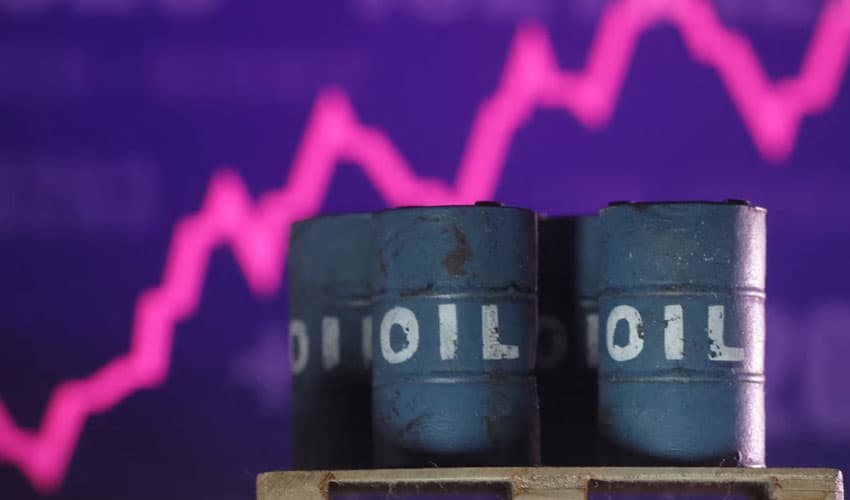
Brent crude futures rose 19 cents, or 0.25%, to $76.49 per barrel by 0319 GMT, while US West Texas Intermediate (WTI) crude gained 19 cents, or 0.26%, to $72.27 per barrel.
For the week, Brent was set to gain about 6%, while WTI was heading for a 5% increase, supported by fears that the conflict could disrupt global energy supplies.
Hormuz shipping disruptions support prices
Analysts said oil prices continue to include a sizeable geopolitical risk premium as tanker traffic through the Strait of Hormuz remains close to a standstill.
"Prices have backed off the mid-week highs, but there is still a substantial risk premium as Hormuz transits are back to a near-standstill with no clear signs on when normal reopening might resume," said Vandana Hari, founder of oil market analysis firm Vanda Insights.
She added that expectations of renewed diplomacy between Washington and Tehran were preventing an even sharper rise in prices.
Fresh military escalation
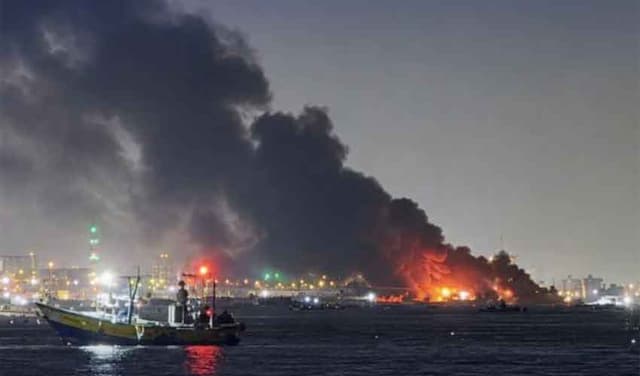
The latest gains followed a renewed exchange of attacks between the US and Iran.
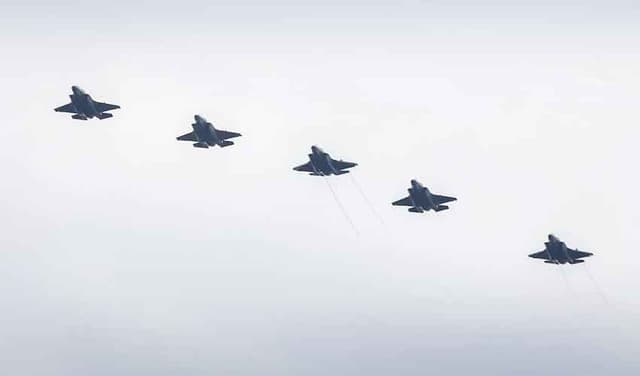
Iranian forces launched strikes targeting US military facilities in Gulf states after American forces carried out attacks on military sites across Iran's southern and eastern provinces.
Iranian media also reported explosions in several southern cities, including Bushehr, home to one of the country's nuclear power plants, although Iranian officials later said the facility had not been damaged.
Shipping remains constrained
The renewed hostilities have delayed the reopening of the Strait of Hormuz, a strategic waterway that handled around 20% of global oil and liquefied natural gas supplies before the conflict.
Ship-tracking data showed tanker traffic through the strait remained near a standstill on Thursday as shipping companies continued to assess security risks following recent attacks on commercial vessels.
Diplomatic hopes limit rally
Despite the escalation, some analysts believe markets have been reassured by Washington's decision not to target Iran's oil infrastructure.
ANZ senior commodity strategist Daniel Hynes said the market also drew confidence from comments by US President Donald Trump, who said he did not expect the conflict to return to full-scale war.
Those factors have helped cap further gains in oil prices despite persistent geopolitical uncertainty.