Pakistan’s rapidly growing population is no longer merely a census concern, but an escalating challenge for public health, the environment and the national economy.
Experts have warned that without urgent action on population management, sustainable urban planning, green energy and resource protection, future generations may struggle to access clean air, safe water and a healthy standard of living.
Pakistan is among the countries in the region where rapid population growth has emerged as a major national challenge.
As the number of people rises, the country’s already limited resources are coming under increasing pressure, affecting not only economic development but also environmental sustainability and human health.
Experts say the growing gap between population needs and available resources is gradually pushing Pakistan towards a silent crisis.
Without balanced population growth and long-term planning, the pressure on food, water, housing, healthcare, education and employment is likely to intensify.
Unplanned urban expansion deepens crisis
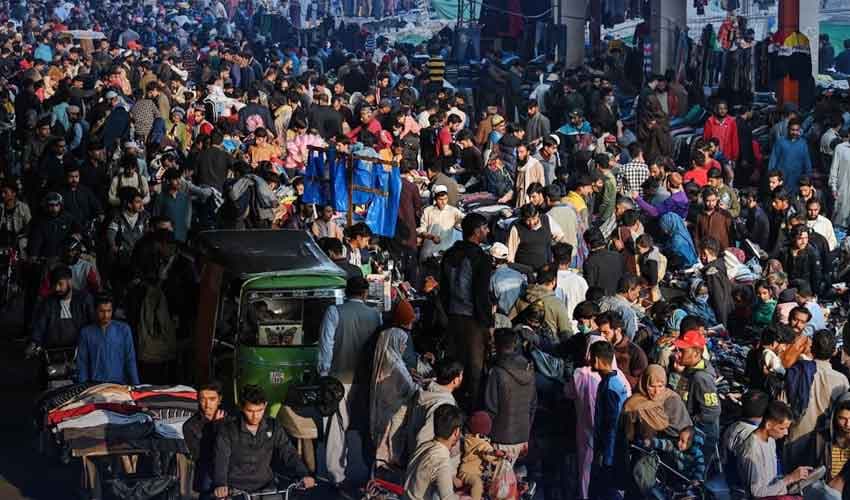
Rapid and unplanned urban sprawl is placing a growing burden on major cities and surrounding areas.
The expansion of housing without proper planning has increased traffic congestion, created pressure on public transport and worsened air pollution.
At the same time, urban communities are facing water shortages, inadequate drainage and sewage systems, and a lack of affordable and properly planned housing.
These problems are becoming more severe as cities continue to grow faster than their infrastructure and public services can support.
Health, environment face serious risks
Experts have stressed that population growth is not only an economic challenge but also a serious threat to the environment and public health.
More vehicles, construction, waste generation and demand for energy are contributing to worsening air quality and environmental degradation.
Water scarcity and weak sanitation systems also raise the risk of disease, particularly in densely populated and underserved communities.
Experts warn that if immediate steps are not taken to promote sustainable planning, green energy and population balance, clean air, safe drinking water and healthy living may remain out of reach for future generations.
President calls youth Pakistan’s greatest asset
In his message on World Population Day, President Asif Ali Zardari described Pakistan’s youth as a valuable national asset and the country’s bright future.
He said investment in young people’s education, professional skills and employment opportunities was essential for sustainable development and long-term prosperity.
The president stressed that Pakistan must transform its demographic potential into national prosperity and meaningful human development.
Maternal, child health must be prioritised
President Zardari said greater attention to maternal and child health, as well as proper nutrition, was the need of the hour.
He emphasised that investment in education and healthcare was essential because population and development were closely linked.
Improving health services, nutrition and educational opportunities would help build a stronger and more productive society, he added.
The president said Pakistan could not achieve its national development goals without empowering women and ensuring their full participation in society.
He recalled that former prime minister Shaheed Benazir Bhutto had played a historic role in advancing women’s rights and empowerment in Pakistan.
President Zardari said providing women with education, healthcare, employment and equal opportunities was crucial for both population management and economic progress.
Collective national action urged
The president called on the government, parliament, civil society, religious scholars, the media and all national institutions to play their part in addressing population-related challenges.
He said providing dignity, healthcare and equal opportunities to every citizen was a shared national commitment.
President Zardari stressed that coordinated action across all sectors was necessary to turn Pakistan’s population into a source of strength rather than an obstacle to development.