Iranian Foreign Minister Abbas Araghchi reached Oman on Saturday with a high-level delegation for crucial talks focused on the Strait of Hormuz, amid renewed hostilities and growing uncertainty over future negotiations between Iran and the United States.
On reaching Muscat, Araghchi was received by senior Omani officials. The discussions are expected to cover procedures for the safe passage of commercial vessels, bilateral relations between Iran and Oman, and the wider security situation in the Middle East.
Araghchi’s Oman visit focuses on Strait of Hormuz
Iran’s Foreign Ministry described Araghchi’s visit as a continuation of the regional consultation process aimed at addressing tensions surrounding the strategically important Strait of Hormuz.
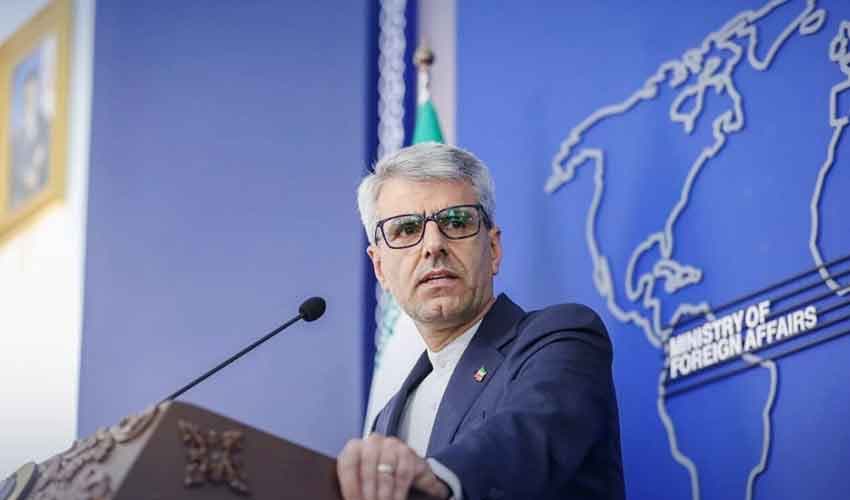
Iranian Foreign Ministry spokesperson Esmaeil Baghaei said the two sides would discuss appropriate arrangements and procedures governing the movement of ships through the waterway.
The Strait of Hormuz has become a central issue in diplomatic efforts after several commercial tankers were targeted during renewed fighting between Iran and the United States.
According to CNN, Washington has told Tehran that Iran must guarantee the free passage of oil tankers through the strait. US officials have indicated that without such assurances, there will be no progress towards nuclear negotiations.
The United States is also demanding that Iran publicly commit to ending attacks on ships, opening all shipping lanes and allowing vessels to pass without paying tolls.
Before the war, the Strait of Hormuz carried approximately one-fifth of the world’s oil supplies, making continued disruptions a serious threat to global energy markets.
US increasingly doubtful about nuclear deal
The Wall Street Journal reported that the administration of US President Donald Trump is becoming increasingly disappointed about the prospects of reaching a nuclear agreement with Iran.
Despite those concerns, Trump said on Friday that the United States and Iran had agreed to continue talks following a week of escalating military hostilities.
However, the US president also declared that the ceasefire agreed between the two sides last month was over.
“The Islamic Republic of Iran has asked us to continue ‘talks.’ We have agreed to do so, but the United States has stated to them, in no uncertain terms, that the Cease Fire is OVER!” Trump wrote on his Truth Social platform.
Also Read: Iran has asked US to continue talks, claims Trump
The remarks came after renewed fighting during which three Qatari and Saudi commercial tankers came under fire. The United States subsequently struck Iranian sites, while Iran responded by targeting US military facilities in Gulf countries.
The latest escalation has also pushed global oil prices higher, creating a politically sensitive issue for Trump ahead of the congressional elections scheduled for November.
Iran denies it requested negotiations
Iran disputed Trump’s claim that Tehran had requested the resumption of direct talks with Washington.
Baghaei said Iran had made no request for negotiations and had instead agreed to receive a Qatari delegation acting as a mediator.
“We did not make any request for negotiations,” the spokesperson said, adding that Iranian officials had informed the Qatari delegation of Tehran’s position during its visit to Mashhad.
A person familiar with the diplomatic efforts said Qatari negotiators held meetings with Iranian officials on Friday to reduce tensions and discuss developments in the Strait of Hormuz.
Iran maintained that US military attacks and sanctions represented clear violations of the memorandum of understanding reached between the two sides.
Baghaei said Iran had consistently followed a “promise for a promise” approach, under which both parties must fulfil their respective commitments. He warned that if the other side failed to meet its obligations, Iran would take the measures it considered necessary.
Tehran also said that any breach of commitments by Washington would be met with reciprocal action.
Regional mediators seek to prevent further escalation
No new attacks were reported on Friday, bringing a period of relative calm after several days of renewed fighting.
Regional mediators continued efforts to preserve diplomatic engagement and prevent the collapse of attempts to permanently end the conflict.
The war began on February 28 with joint US-Israeli strikes on Iran and has now entered its fifth month.
Although US officials acknowledged the latest tensions, they said conversations between Washington and Tehran had been productive in recent days.
Also Read: ‘Should I get assassinated...’
The interim agreement reached last month was intended to pave the way for an end to the conflict, which has killed thousands of people, disrupted worldwide energy supplies and raised fears of a global economic downturn.
Trump threatens massive response
Trump also said he had instructed the US military to remain prepared to strike Iran if the Iranian government carried out or attempted an assassination of the sitting US president.
“1000 Missiles are Locked and Loaded and aimed at the Islamic Republic of Iran, with thousands of more to immediately follow, should the Iranian Government act on its threat, pronounced in many corners of the Globe, to assassinate, or attempt to assassinate, the sitting President of the United States of America, in this case, ME!” Trump posted.
He said orders had already been issued and that the US military would remain “ready, willing, and able” for one year, subject to an extension, to destroy areas of Iran in response to such an attempt.
Trump ended the message with the phrase, “PRAISE BE TO ALLAH!”
The Wall Street Journal and other US media outlets reported during the week that Israel had shared intelligence with Washington suggesting Iran had recently developed a plan to assassinate Trump.
Iran has not publicly confirmed the existence of such a plan.
Anti-Trump banners displayed at Khamenei funeral
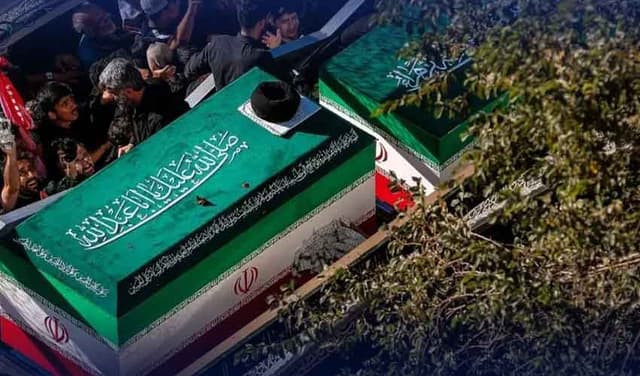
The allegations emerged as Iran held funeral ceremonies for its slain Supreme Leader Ayatollah Ali Khamenei, who was killed in an airstrike on the first day of the war.
A large crowd of mourners gathered in a courtyard on Thursday for the funeral. Some participants carried banners reading, “We Will Kill Trump.”
The funeral took place amid heightened security concerns and growing fears that the latest hostile statements could trigger another round of direct military confrontation.
Senior US officials said Washington wanted Iran to provide a clear public commitment that it would stop targeting ships in the Strait of Hormuz.
Also Read: Trump says 1,000 missiles aimed at Iran if it targets him
The United States is demanding that all shipping lanes remain open and that vessels be allowed to pass through the waterway without tolls or additional restrictions.
During the conflict, Tehran has largely taken control of the strait, creating a strategic stalemate in its confrontation with the United States, which possesses the world’s most powerful military.
Araghchi’s talks in Oman are expected to focus on finding practical arrangements for vessel movements and preventing further attacks on commercial shipping.
The discussions may also determine whether diplomatic engagement on Iran’s nuclear programme can continue.
US strikes kill 17 people in Iran
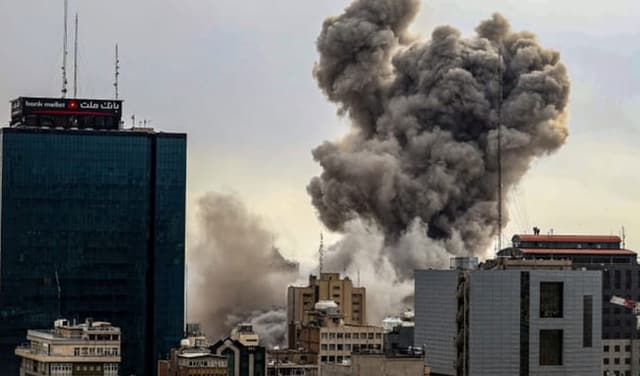
At least 17 people were killed in US strikes on six Iranian cities on Wednesday and Thursday, according to the head of the public relations and information centre at Iran’s Health Ministry.
Another 115 people were wounded in the attacks.
The strikes followed attacks on commercial tankers and were answered by Iranian strikes on US military sites in Gulf states. Despite the exchange of attacks, officials from both sides have continued indirect contacts through regional mediators.
Oil prices record sharp weekly increase
The renewed fighting in the Gulf has placed additional pressure on international energy markets and US consumers. After several weeks of steady declines, crude oil prices recorded their biggest weekly increase in eight weeks.
Any prolonged disruption in the Strait of Hormuz could further restrict oil supplies, raise fuel prices and deepen fears of a broader economic slowdown.
The outcome of Araghchi’s visit to Oman is therefore expected to be closely watched by governments, energy markets and shipping companies seeking clarity over the future movement of vessels through one of the world’s most important waterways.