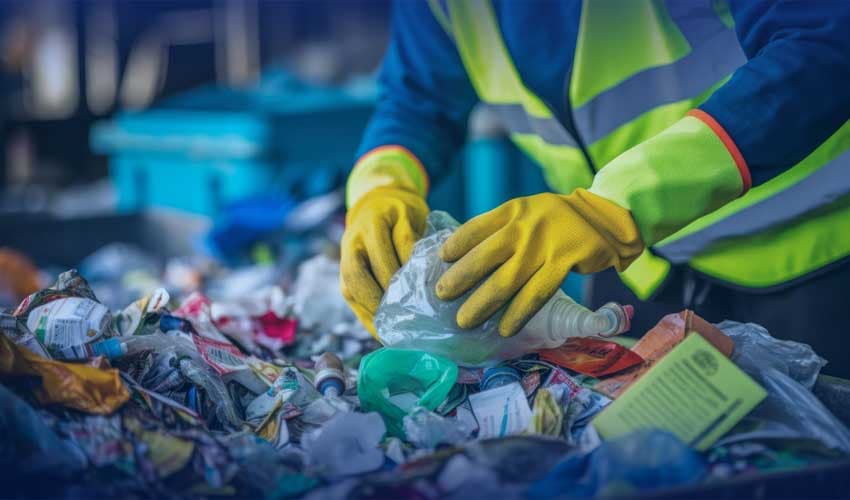
Pakistan is facing a growing waste management crisis, with daily waste generation exceeding 71,000 tons and increasing. In response, environmental experts are promoting the adoption of a zero waste lifestyle as an effective strategy to combat pollution and reduce waste.
The zero waste lifestyle aims to minimize the amount of trash sent to landfills by following key principles:
1. Refuse: Avoid unnecessary items, especially single-use plastics
2. Reuse: Repurpose items instead of discarding them
3. Reduce: Limit consumption of non-essential goods
4. Recycle: Properly sort and recycle materials
5. Rot: Compost food waste and organic materials
Practical steps for implementing a zero waste lifestyle include:
- Using paper bags instead of plastic
- Avoiding disposable clothing and unnecessary plastic items
- Repurposing old items rather than discarding them
- Composting food scraps
Experts emphasize that individual action is crucial in addressing the waste crisis. By adopting zero waste principles, citizens can contribute to creating a cleaner environment and reducing the strain on waste management systems.
The zero waste movement is gaining momentum globally, offering a potential solution to Pakistan's growing waste management challenges.