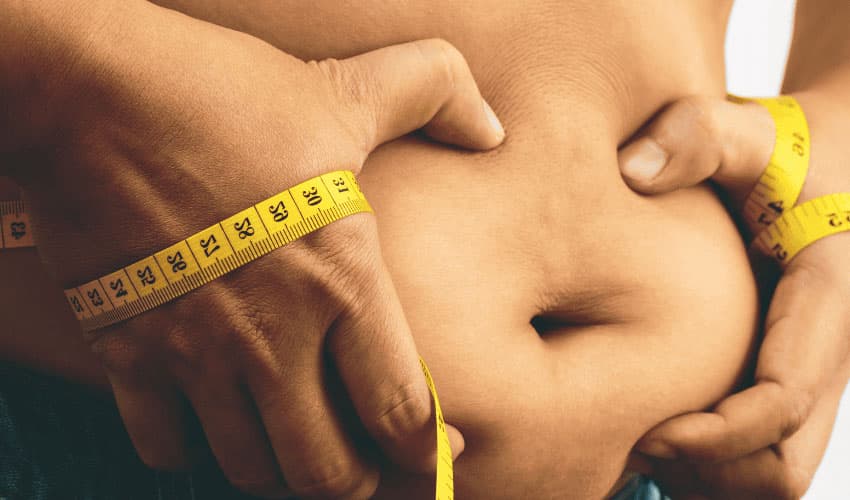
As Ramazan 2026 approaches, many people aim to shed extra weight while fasting. But for fitness-conscious individuals, the real challenge is clear: how to lose fat without losing muscle.
The good news? With the right strategy, Ramazan can actually help improve body composition — if done correctly.
During Ramazan, long fasting hours change your eating pattern, hydration level, and workout timing.
If you drastically cut calories, skip protein, or stop strength training, your body may start breaking down muscle for energy. That’s when weight loss turns into muscle loss — something you want to avoid.
The key is not just eating less — it’s eating smart and training strategically.
Understanding fat loss vs muscle loss
Fat loss happens when you create a mild calorie deficit while maintaining adequate protein and resistance training.
Muscle loss happens when protein intake is too low, calories are severely restricted, or workouts are inconsistent.
Ramazan fasting naturally creates a calorie deficit. Your job is to control it — not let it control you.
Smart nutrition strategy for Ramazan 2026
Prioritize High-Quality Protein at Suhoor and Iftar
Protein is your muscle’s best friend. Aim for lean sources such as:
-
Eggs
-
Chicken breast
-
Fish
-
Greek yogurt
-
Lentils and chickpeas
-
Protein shakes (if needed)
Try to divide protein between Suhoor and Iftar instead of consuming it all at once. This helps muscle repair and recovery overnight.
Avoid extreme calorie cutting
Ramazan is not a crash diet month. Cutting too many calories increases the risk of muscle breakdown and fatigue.
Instead, maintain a moderate calorie deficit — enough to burn fat but not enough to slow your metabolism.
Choose complex carbohydrates
At Suhoor, opt for:
-
Oats
-
Brown rice
-
Whole wheat roti
-
Quinoa
These provide sustained energy and prevent muscle fatigue during long fasting hours.
At Iftar, avoid overloading on fried and sugary foods that spike insulin and promote fat storage.
Healthy fats matter
Include moderate amounts of:
-
Nuts
-
Seeds
-
Olive oil
-
Avocado
Healthy fats support hormone balance, including testosterone — a key hormone for muscle maintenance.
Hydration
Muscles are largely made of water. Dehydration during fasting hours can reduce performance and muscle fullness.
Between Iftar and Suhoor, drink water consistently rather than all at once. Add electrolytes if needed, especially after workouts.
Best workout timing in Ramazan
Option 1: Train 60 Minutes Before Iftar
This allows you to break your fast immediately after training, refueling your muscles quickly.
Keep the session moderate — avoid extremely intense cardio.
Option 2: Train 1–2 Hours After Iftar
This is ideal for strength training because your body is fueled and hydrated.
Focus on compound exercises such as:
-
Squats
-
Deadlifts
-
Bench press
-
Rows
-
Pull-ups
Strength training at least 3–4 times per week signals your body to preserve muscle mass.
Reduce cardio, increase resistance
Excessive cardio during Ramazan can increase muscle breakdown, especially in a fasted state.
Instead, prioritize weight training and keep cardio light — such as walking after Iftar.
Sleep and recovery
Ramazan often disrupts sleep cycles due to late-night prayers and early Suhoor.
Lack of sleep increases cortisol, a stress hormone linked to muscle loss and fat gain.
Aim for 6–8 total hours of combined night sleep and short naps if possible. Recovery is just as important as diet and exercise.
Common mistakes to avoid
-
Skipping Suhoor
-
Eating mostly fried foods at Iftar
-
Avoiding strength training completely
-
Drinking sugary beverages daily
-
Severe calorie restriction
These habits may reduce weight on the scale — but much of it could be muscle.
Can you actually gain muscle in Ramazan?
Yes, beginners and intermediate trainees can maintain or even slightly gain muscle if protein intake, training, and sleep are optimized.
However, for most people, Ramazan should be focused on fat loss and muscle preservation rather than aggressive bulking.