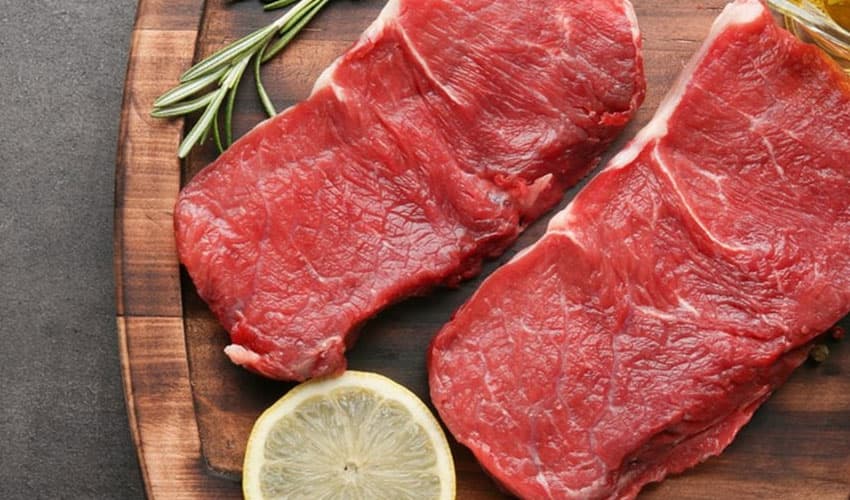
If red meat is a regular part of your daily meals, new research suggests it may be time to reconsider portion sizes.
A recent study has found that people who consume more red meat are significantly more likely to develop diabetes compared to those who eat less.
The research, published in the British Journal of Nutrition, examined the relationship between red meat consumption and diabetes risk.
Researchers analyzed dietary and health data from more than 34,000 adults who participated in the National Health and Nutrition Examination Survey.
The focus was on both processed red meat, such as sausages and deli meats, and unprocessed red meat, including fresh beef and lamb.
Higher meat intake
According to the findings, individuals who consumed the highest amounts of red meat had significantly higher rates of diabetes.
Importantly, this association remained even after researchers accounted for factors such as age, body weight, lifestyle habits, and other dietary patterns.
People who ate the most red meat were found to be about 49 percent more likely to develop diabetes compared to those who consumed the least.
The study also found that both processed and unprocessed red meat were linked to increased diabetes risk.
In practical terms, researchers noted that one additional serving of red meat per day raised diabetes risk by 16 percent.
Why lifestyle still matters
While red meat consumption showed a strong association, experts emphasize that diabetes is influenced by multiple factors.
Genetics, obesity, lack of physical activity, and overall dietary habits are considered major contributors to the development of type 2 diabetes.
Previous research has shown that lifestyle changes — including healthier eating patterns, regular exercise, and weight loss — can reduce the risk of type 2 diabetes by nearly 50 percent.
The study supports the idea that dietary choices play an important role in long-term metabolic health.
Replacing red meat with alternative protein sources such as vegetables and pulses may help lower diabetes risk.
Consuming poultry, dairy products, and whole grains may also offer some benefits, according to researchers.
Experts clarify findings
Health experts note that the study is observational in nature. This means it does not prove that red meat directly causes diabetes.
Instead, it shows a clear link between higher red meat intake and increased risk of developing the condition.
Still, the findings add to growing evidence that long-term dietary habits can significantly influence the risk of chronic diseases, including diabetes.