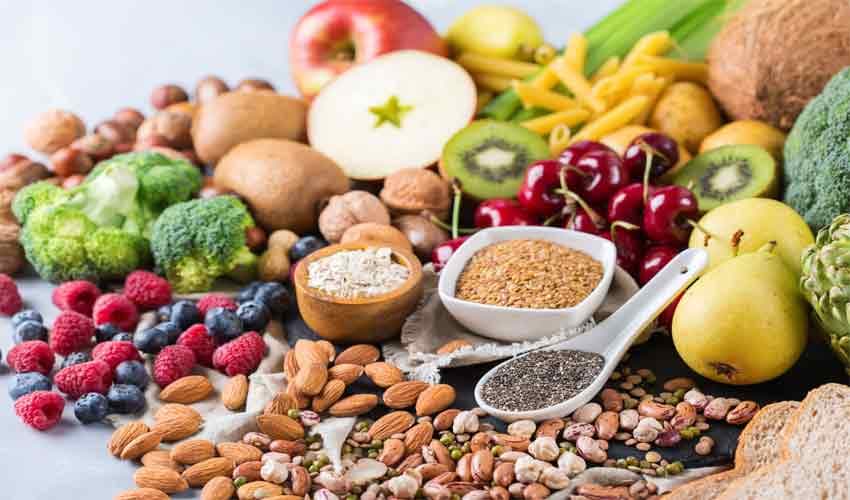
Fiber has long been considered beneficial for digestive health, and health experts often recommend increasing the intake of fibrous foods, vegetables, and whole grains. Fiber can aid digestion, improve gut health, and prevent constipation.
However, nutritionists caution that simply consuming more fiber is not always the solution to digestive problems. Many people assume that eating salads alone provides sufficient fiber. In reality, meeting the daily requirement of around 30 grams of fiber would require eating over 15 bowls of salad.
The same amount can be obtained more efficiently from an avocado, two teaspoons of flaxseeds, and two tablespoons of chia seeds. If avocado is not feasible, alternatives such as pears or guava with chickpeas can also work.
Experts emphasize that fiber, like protein, is not universally beneficial in every situation. For years, excessive fiber has been considered a primary treatment for bloating, gas, constipation, and heaviness, yet many people see little improvement. The key is not quantity, but proper dietary balance and timing - what and how food is consumed matters more than sheer volume.
Particularly insoluble fiber can sometimes be harmful, especially for people with conditions like small intestinal bacterial overgrowth (SIBO), chronic constipation, or slow and sensitive digestive systems. In such cases, high fiber intake may worsen pain and bloating, slow bowel movements, increase fermentation in the stomach, and interfere with digestion.
Experts therefore advise that adding large amounts of fiber should not always be the first or immediate step for improving gut health. Proper assessment and a balanced dietary approach remain crucial.