A common household plant may hold unexpected promise in the fight against Alzheimer’s disease.
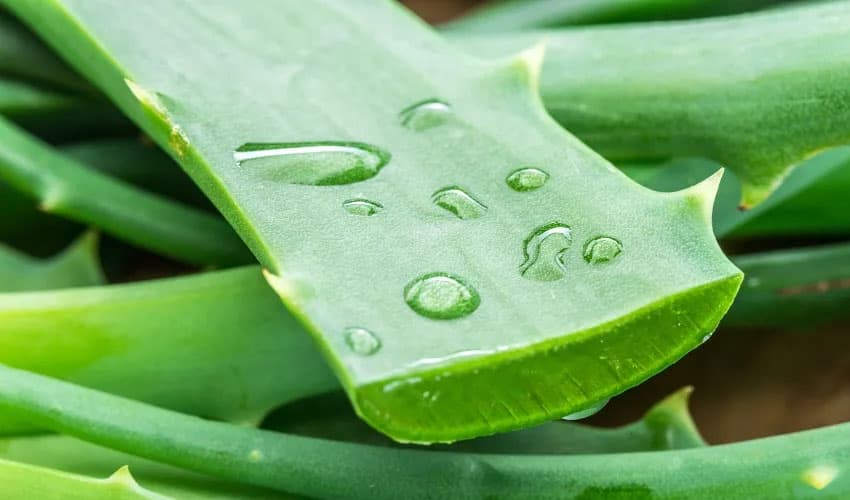
According to a new study, aloe vera — also known as ghekwar — contains compounds that could help combat memory loss and cognitive decline associated with the condition.
Researchers have discovered that aloe vera contains a natural plant compound called beta-sitosterol, which may play a role in treating Alzheimer’s disease.
Alzheimer’s is the most common cause of dementia and is a gradually progressive condition that primarily affects people over the age of 65. It weakens memory over time and interferes with daily functioning.
The study highlights that beta-sitosterol interacts strongly with two key enzymes associated with memory loss and cognitive decline. This interaction makes aloe vera a potential candidate for future Alzheimer’s treatment development.
Understanding Alzheimer’s disease
Alzheimer’s disease slowly damages brain cells, leading to worsening memory problems.
As the condition progresses, symptoms become more severe. Patients may experience reduced thinking speed, difficulty speaking, hallucinations, and delusions.
Currently, there is no effective cure for Alzheimer’s. However, certain medications are available to manage symptoms, particularly in mild to moderate stages.
Among the most commonly prescribed drugs are cholinesterase inhibitors. These medications work by increasing certain brain chemicals that support memory and cognitive function.
While they can help reduce some symptoms, they do not stop or reverse the progression of the disease.
Role of beta-sitosterol
Beta-sitosterol is structurally similar to cholesterol and is naturally found in aloe vera, particularly in high concentrations within the gel of its leaves.
This compound is already widely used in dietary supplements aimed at improving skin health and general well-being. It is also known for its role in lowering cholesterol levels and helping manage symptoms of an enlarged prostate.
According to researchers, its strong interaction with enzymes linked to cognitive decline makes it a promising natural compound in Alzheimer’s research.
The findings suggest that the spongy green plant — commonly used for skincare and digestive health — may have far broader medical potential.
Given the growing number of Alzheimer’s cases worldwide and the lack of a definitive cure, identifying plant-based compounds like beta-sitosterol could open new avenues for scientific exploration.