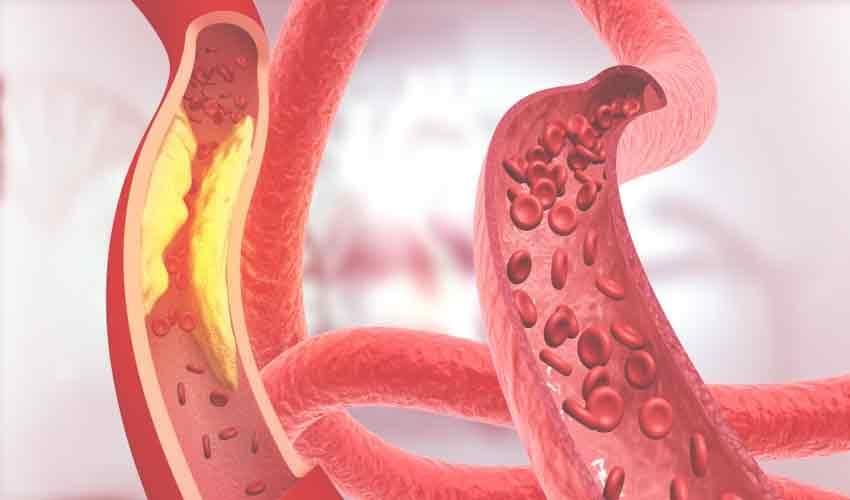
Consuming fatty foods over a long period can lead to the accumulation of fat along the walls of arteries, causing them to narrow and significantly increasing the risk of stroke or heart attack.
Although fat deposits in the arteries do not disappear overnight, experts say they can be reduced - and further buildup prevented - through healthy lifestyle changes.
The most important first step is improving dietary habits. Fried foods, ghee, banaspati, and fast food should be minimized or avoided altogether. Instead, vegetables, fruits, lentils, and whole grains such as barley and brown rice are strongly recommended.
Foods rich in omega-3 fatty acids, including fish, flaxseeds, and walnuts, should be consumed more frequently, as they help reduce fat accumulation in the arteries. Garlic (one to two cloves daily) and olive oil are also considered beneficial, while sugar and refined white flour should be avoided or strictly limited.
Dietary fiber plays a key role in lowering arterial fat. Regular physical activity is equally important, with experts advising 30 to 45 minutes of brisk walking daily. Cycling and swimming are also effective, as exercise increases HDL (good cholesterol), which helps keep arteries clean.
Additionally, the use of turmeric, black pepper, and green tea may support heart health. Reducing sweets and consuming salt in moderation can further aid in lowering harmful fat buildup and maintaining healthy arteries.