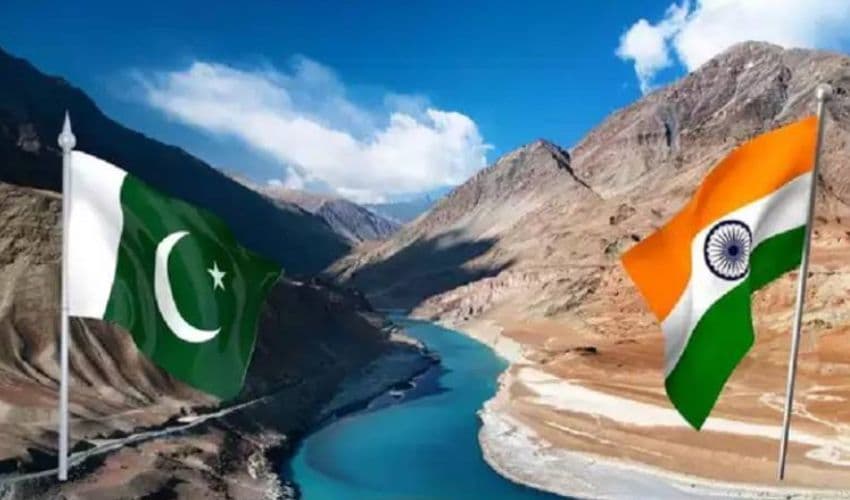
Pakistan has once again raised the suspension of the Indus Waters Treaty in the UN Security Council.
Pakistan's Permanent Representative to the United Nations, Ambassador Asim Iftikhar Ahmad said that India’s move was a test of the global treaty system. "Suspending an international water-sharing agreement would set a dangerous precedent. If the water-sharing treaty is sacrificed to politics, global trust will be affected," he maintained.
He said the Indus Waters Treaty is not a bilateral matter; it is an international issue. "Unilateral actions could weaken border and trade agreements as well, adding that the Indus Waters Treaty, agreed in 1960 with the assistance of the World Bank, is regarded as one of the strongest and most durable water-sharing agreements," Ahmad added.
"India’s unilateral suspension of the treaty represents a serious departure from its legal and historical traditions. Any unilateral obstruction of established water-sharing arrangements will have serious humanitarian, environmental and peace and security consequences, especially for Pakistan’s 250 million people," he said.
"When millions are left at the mercy of unilateral decisions, the risks become real rather than hypothetical. Treaties should not be sacrificed to geopolitical considerations; they should remain based on restraint and serve as a guarantee of peace. We reiterate our unwavering commitment to international law," he maintaind.