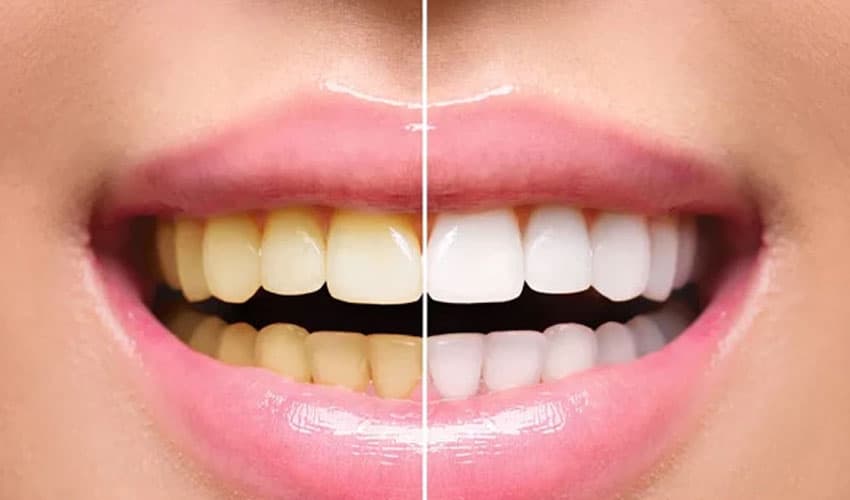
Teeth whitening powders have rapidly gained popularity as a low-cost, natural alternative for a brighter smile. Marketed widely on social media and e-commerce platforms, these products promise fast results—but questions remain about their safety and effectiveness.
Teeth whitening powders are dry dental products used either alone or alongside toothpaste. Users typically dip a wet toothbrush into the powder and brush their teeth normally.
These powders are designed to remove surface stains caused by tea, coffee, smoking, and colored foods. Unlike professional whitening treatments, they do not change the natural color of teeth and work only on the outer enamel layer.
How do teeth whitening powders work?
Removing Surface Stains
The primary mechanism behind whitening powders is mechanical cleaning. Mild abrasives scrub away stains sitting on the enamel.
Such stains commonly result from frequent consumption of tea and coffee, tobacco use, poor oral hygiene, and deeply pigmented foods. Once removed, teeth may appear noticeably whiter.
Absorbing Discoloration
Some powders contain activated charcoal, an absorbent material that binds to pigments and plaque. During brushing, these particles are lifted off the tooth surface.
This process reduces visible yellowing and improves overall cleanliness but does not bleach teeth internally.
Polishing the Enamel
Certain mineral-based ingredients polish the enamel, making teeth smoother and shinier. This polishing effect can enhance brightness, though excessive use may damage enamel.
Common ingredients found in whitening powders
Activated Charcoal
Activated charcoal absorbs surface stains but can be abrasive if used daily. It is generally recommended for occasional use only.
Baking Soda
Baking soda acts as a mild abrasive and helps neutralize acids. It is considered safe in small amounts.
Calcium Carbonate
A common polishing agent, calcium carbonate is widely used in toothpaste and is safe when finely milled.
Bentonite Clay
Bentonite clay absorbs debris and toxins and is less abrasive than charcoal. It is often marketed as a natural alternative.
Herbal Extracts
Ingredients such as neem, clove, and mint are added for freshness and mild antibacterial effects. Their whitening impact is usually minimal.
Are teeth whitening powders safe?
The Short Answer
Yes, teeth whitening powders are generally safe when used correctly and occasionally.
When They Are Considered Safe
They are safer when used two to three times a week, made with fine abrasives, recommended by dental professionals, and paired with fluoride toothpaste on other days.
Potential Risks
Enamel Erosion
Frequent use of abrasive powders can wear down enamel, which does not regenerate once damaged.
Tooth Sensitivity
Overuse may expose dentin, causing sensitivity to hot, cold, or sweet foods.
Gum Irritation
Coarse particles and aggressive brushing can irritate gums, particularly in people with existing dental issues.
Who should avoid whitening powders?
These products may not be suitable for individuals with sensitive teeth, gum disease, cavities, weak enamel, or dental restorations such as crowns and veneers.
Whitening powders do not work on artificial teeth and may lead to uneven coloration.
Teeth whitening powders are effective for removing surface stains but do not alter natural tooth color. Professional whitening, while more expensive, delivers faster and more noticeable results under supervision.
Experts note that powders are better suited for maintenance rather than dramatic whitening.
Dental professionals generally agree that whitening powders can help with surface stains but should not replace toothpaste. Low-abrasive, fluoride-friendly products used in moderation are usually preferred.