Despite government claims of economic recovery and stability, Pakistan continues to face a sharp decline in investment, with foreign direct investment falling by more than 43 percent in the first six months of the current fiscal year.
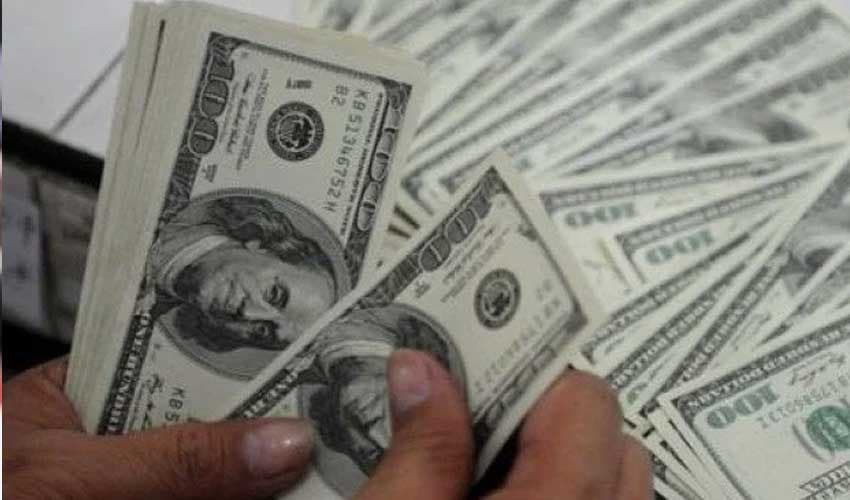
According to the latest Monthly Economic Update and Outlook Report released by the Ministry of Finance, foreign direct investment (FDI) declined by 43.3% during the first half of the fiscal year. From July to December, total FDI stood at just $810 million, highlighting a continued negative investment trend.
This decline comes despite repeated government claims that investor confidence is improving.
Economic stability, inflation outlook
The Ministry of Finance report claims that economic stability has been maintained and inflation remains under control. After 2.7% growth in the first quarter, economic momentum is expected to continue through the end of the fiscal year.
Inflation for the current month is projected to remain between 5 and 6%, while monetary policy has been eased in response to falling inflation.
Fiscal discipline supports surpluses
Improved fiscal discipline has resulted in both fiscal and primary surpluses, according to the report. The primary surplus reached Rs3,651 billion, while the fiscal balance remained positive at Rs981 billion.
The ministry credited tighter controls and governance reforms for supporting macroeconomic stability.
The report notes that remittances remain strong, providing crucial support to external accounts. Foreign exchange reserves are described as stable, and the rupee has held its value.
Pakistan’s stock market has also seen a strong rally, with the ministry claiming Pakistan is among the best-performing markets globally and that investor confidence has improved significantly.
Trade balance under pressure
Exports during the first six months remained limited to $15.5 billion, reflecting a 5% decline. In contrast, imports surged by 12.3%, exceeding $31 billion, widening the trade gap.
The current account deficit persists, though the ministry expects pressure to remain limited going forward.
Industrial output improves
The report highlights a 6% increase in large-scale manufacturing output during the first five months of the fiscal year. Officials described the performance of major industries and other economic indicators as encouraging.
The ministry said these gains reflect the early results of economic governance reforms aimed at institutional stability and sustainable development.
Growth was also reported in IT and services exports, alongside strong remittance inflows. The government claims that “wise policies and reforms” are beginning to yield positive outcomes.
However, the continued decline in foreign direct investment underscores lingering concerns about long-term investor confidence.
Mixed signals for economy
While macroeconomic indicators such as inflation, fiscal balance, remittances, and industrial production show improvement, the sharp fall in FDI presents a stark contrast.
The report paints a mixed picture -- one of short-term stabilization alongside unresolved structural challenges in attracting foreign investment.