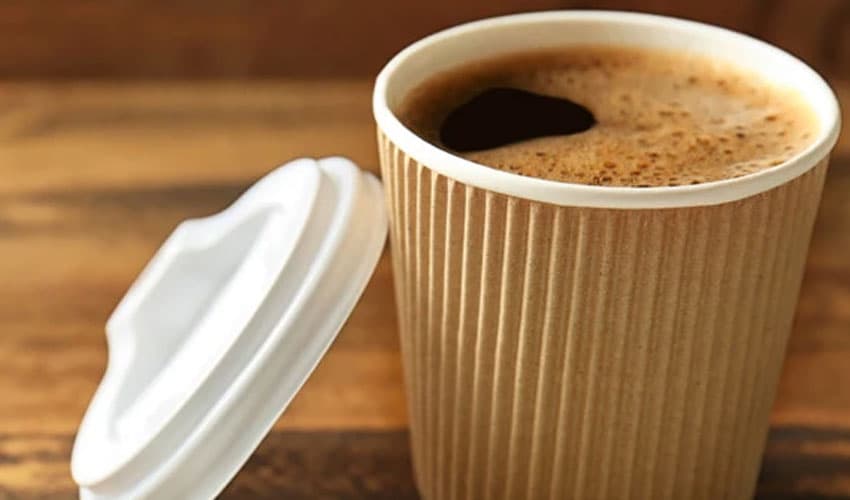
A growing body of research is intensifying concerns over plastic food containers, with scientists warning that hot coffee served in plastic cups may expose people to thousands of microplastic particles.
The findings add to mounting evidence about the hidden risks of everyday plastic use.
According to a recent analysis of past scientific studies, hot food and beverages stored in plastic containers release significantly more microplastic particles than cold items.
Researchers found that hot coffee served in plastic cups may shed thousands more microplastic particles compared to cold coffee. Heat appears to accelerate the breakdown of plastic materials, increasing particle release into drinks.
What are microplastics
Microplastics are extremely small plastic particles that can enter the human body through food and beverages.
A growing number of studies warn that daily ingestion of these particles may pose serious health risks. Reported concerns include hormonal imbalances, diabetes, respiratory and reproductive problems, along with increased risks of several types of cancer.
Single-use cups major source of exposure
Researchers say unintentional ingestion of microplastics is strongly linked to single-use plastic products, including disposable cups and utensils.
These items are widely used for hot beverages, especially coffee, increasing the chances of plastic particles leaching into drinks during daily consumption.
The findings are particularly alarming given the scale of plastic consumption worldwide.
It is estimated that around 500 billion disposable plastic cups are used globally each year, highlighting the potential magnitude of microplastic exposure through everyday habits.