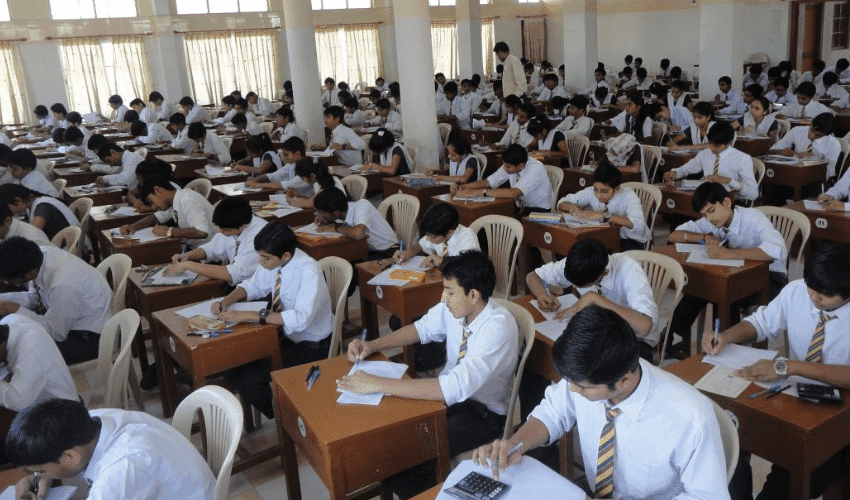
In a major reform aimed at standardising assessment and reducing exam pressure, the Sindh government has abolished the long-standing “number system” in all education boards of the province.
Sindh Universities Minister Muhammad Ismail Rahu confirmed that the old marks-based system has been replaced with a grading system for both matriculation and intermediate levels.
The decision was taken in line with policy guidelines issued by the Inter-Board Coordination Commission at the federal level, ensuring uniformity across boards.
According to the minister, the new grading system will be implemented in phases across Sindh. It will be introduced with the first annual examinations of Class 9 and Class 11 in 2026, while Class 10 and Class 12 annual exams will shift to the grading system in 2027.
Minimum passing marks set at 40%
Under the newly approved policy, the minimum passing threshold has been fixed at 40%. Students scoring less than 40% in any paper will be declared “U” (Ungraded) and considered failed, the minister clarified.
The Sindh government has also formally announced the full grading structure:
-
A++: 96% to 100%
-
A+: 91% to 95%
-
A: 86% to 90%
-
B++: 81% to 85%
-
B+: 76% to 80%
-
B: 71% to 75%
-
C+: 61% to 70%
-
C: 51% to 60%
-
D: 40% to 50%
-
U (Ungraded): Below 40%
Officials said the new structure aims to better reflect student performance while discouraging unhealthy competition based solely on numerical scores.
Reform to improve assessment standards
Minister Ismail Rahu stated that the reform is designed to modernise the examination system, align Sindh with national education policies, and promote a more balanced evaluation of students.
Education authorities believe the shift will gradually improve learning outcomes while easing academic stress among students.