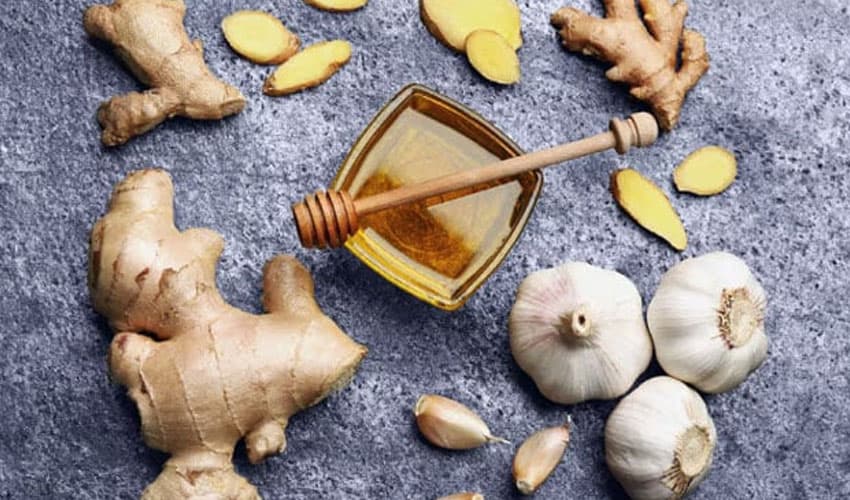
Some commonly used kitchen ingredients, including garlic, honey and ginger, contain natural antibacterial properties, experts say, though they should only be used as part of a balanced diet and not as a substitute for medical treatment.
Since the 1940s, antibiotics such as penicillin have saved millions of lives by treating diseases once considered fatal. However, growing concerns about side effects, allergies and antibiotic resistance have led some people to explore natural alternatives.
Experts caution that while natural substances may offer supportive benefits, they cannot fully replace prescribed medications, especially in serious infections.
With drug-resistant bacteria on the rise worldwide, researchers are increasingly studying natural compounds to explore whether they could help develop new antibacterial agents in the future.
Several natural ingredients have shown promising antibacterial effects in laboratory studies.
Garlic
Garlic has been used for centuries across different civilizations to prevent and treat illnesses. It contains active compounds such as allicin, ajoenes and allyl sulfides.
According to a 2021 research review, these compounds may be effective against multidrug-resistant bacteria and could contribute to the development of future antibiotics.
Honey
Honey has long been valued for its wound-healing and antibacterial properties. It contains natural antibacterial compounds and has been traditionally used to help prevent infections.
Researchers say honey may serve as a supportive antibacterial agent when used appropriately.
Ginger
The scientific community recognises ginger as a natural antibiotic. A 2019 review highlighted its antioxidant, anti-inflammatory and blood-thinning properties.
A 2022 study further found that ginger can inhibit the growth of several types of bacteria.
Echinacea
Echinacea, also known as coneflower, has been used for centuries by traditional healers in North and South America.
A 2022 article reported that echinacea shows antibacterial effects against respiratory tract bacteria and may also possess antiviral properties, making it potentially helpful for respiratory infections in both adults and children.
Clove
Cloves, commonly used as a spice, are dried flower buds of the clove tree. According to a 2023 study, clove essential oil demonstrated strong inhibitory effects against Staphylococcus aureus, a bacteria responsible for several infections.
Oregano
Oregano, known in Urdu as Nazboo or Marzangosh, is considered an immune booster and antioxidant.
A 2022 report found that oregano oil may have antibacterial properties due to a compound called carvacrol, which plays a key role in fighting bacteria.