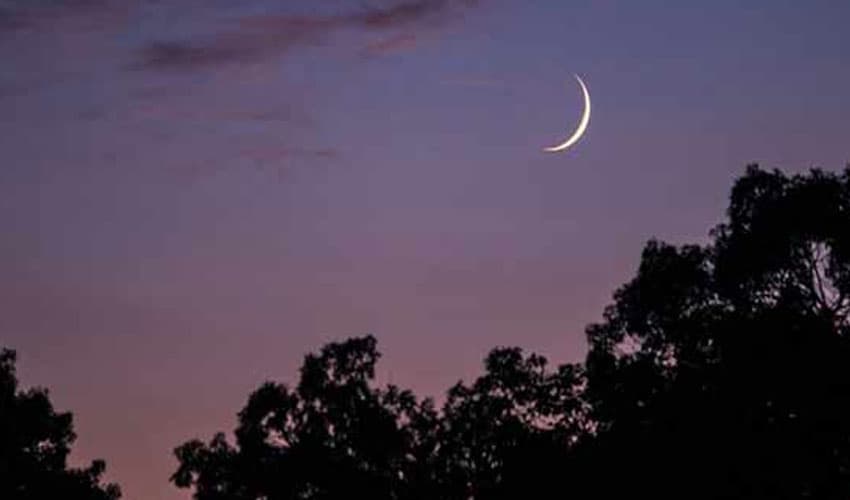
The Central Ruet-e-Hilal Committee announced that the Shaban moon was not sighted in Pakistan on Monday.
As a result, the first day of Shaban 1447 AH will be observed on Wednesday, January 21. Shab-e-Barat, the 15th night of Shaban, is scheduled for February 4.
Chairman Ruet-e-Hilal Committee Abdul Khabir Azad confirmed that the crescent of Shaban was not sighted in any part of the country. This announcement marks the beginning of Shaban on Wednesday, January 21, aligning religious observances across Pakistan.
Shab-e-Barat observance
Shab-e-Barat, also known as the "Night of Records," falls on the 15th night of Shaban. Many Muslims engage in special prayers, recitation of the Quran, and seek forgiveness from Allah. Traditions of Prophet Mohammed (PBUH) highlight the significance of this night, which encourages spiritual reflection and charity.
Significance of Shaban
Shaban is the eighth month of the Islamic calendar and holds religious importance. It is believed that the Qiblah was changed from Al-Aqsa Mosque to the Kaabah in Mecca during this month. Additionally, fasting during Shaban is recommended by Prophet Mohammed (PBUH) as preparation for the month of Ramadan.
Companion Anas bin Malik reported that the Prophet stated fasting in Shaban is the most meritorious after Ramadan fasting. It allows the body and mind to adjust gradually, making the fasts of Ramadan easier to observe.
Traditions and practices
Fasting, reciting the Quran, and giving to charity are common practices in Shaban. These actions mirror the observances of Ramadan, providing a spiritual and physical introduction to the holy month.