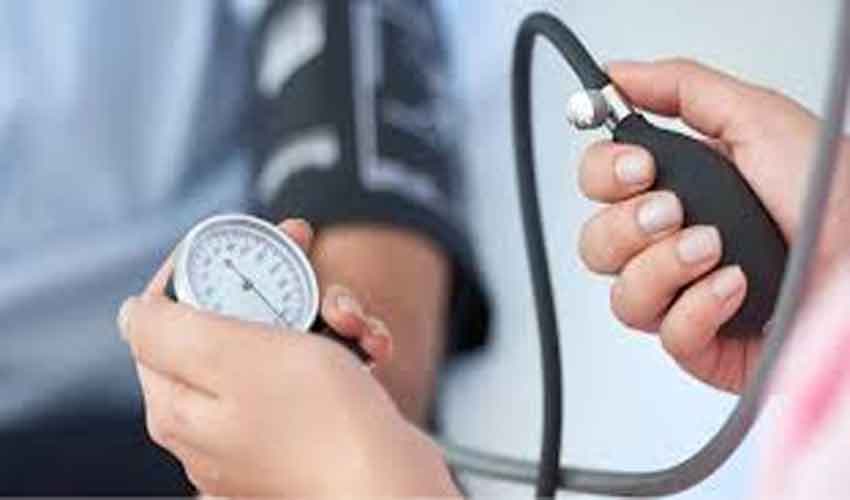
High blood pressure, or hypertension, continues to be one of the world’s most common yet overlooked health threats.
Often developing without obvious symptoms, the condition can quietly damage the heart, brain, and kidneys over time, significantly increasing the risk of heart disease and stroke.
According to the Mayo Clinic, hypertension occurs when the pressure of blood flowing through the arteries remains consistently high, forcing the heart to work harder than normal. Blood pressure readings of 130/80 mm Hg or higher are classified as hypertensive, while levels above 180/120 mm Hg may indicate a medical emergency.
Health experts stress that early prevention can make a meaningful difference. A leading health expert has recently shared practical, science-backed lifestyle advice on X (formerly Twitter) aimed at reducing the risk of hypertension.
Movement as Medicine
Dr Kumar emphasized regular physical activity as a cornerstone of blood pressure control. He recommends at least 30–40 minutes of brisk walking, yoga, or any enjoyable form of exercise each day. Isometric exercises such as wall sits and planks, he noted, are particularly effective in improving vascular health. “Consistency matters more than intensity,” he said, highlighting that moderate but regular movement is key to maintaining healthy blood pressure levels.
Eating Smarter for the Heart
Diet plays a critical role in blood pressure management. Dr. Kumar advised reducing salt intake and limiting processed foods and sugary drinks, which are known contributors to hypertension. Instead, he encouraged a diet rich in fruits, vegetables, whole grains, and other nutrient-dense foods. He pointed to the Mediterranean and DASH diets as proven eating patterns that support heart health through low sodium and high fiber content.
The Mayo Clinic echoes this advice, noting that plant-based, whole-food diets can help control blood pressure naturally and may delay or reduce the need for medication.
Sleep, Stress, and Monitoring Matter
Beyond exercise and diet, Dr. Kumar underscored the importance of quality sleep and stress management. Getting seven to eight hours of sleep each night and practicing relaxation techniques such as meditation, deep breathing, or mindfulness can help regulate hormones that influence blood pressure. Chronic stress and sleep deprivation, experts warn, can significantly raise hypertension risk.
Regular monitoring is also essential. The Mayo Clinic recommends blood pressure checks at least once every two years starting at age 18, and annually for people over 40 or those with higher risk factors. Because hypertension often remains symptomless for years, routine screening is crucial for early detection.
Doctors increasingly emphasize prevention over treatment, and Dr. Kumar’s guidance reflects that shift. Experts agree that small, consistent lifestyle changes - when practiced daily - can have a lasting impact on heart health and significantly reduce the risk of high blood pressure.