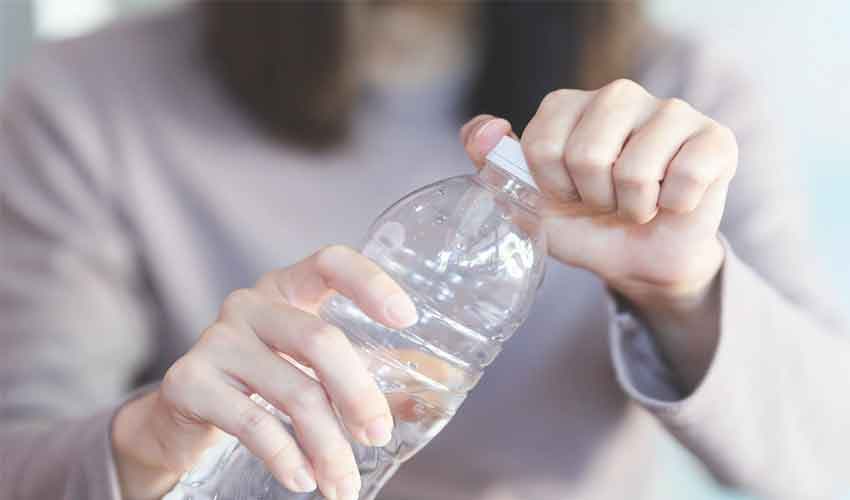
A new scientific study has raised fresh concerns about microplastics, suggesting that tiny plastic particles commonly found in water bottles and other daily-use items may cause damage to the pancreas.
The research, published in the journal BMC Genomics, examined the effects of polyethylene terephthalate (PET) microplastics on pancreatic cells in pigs. Scientists from Poland and Spain chose pigs for the study due to their close biological similarities to humans, particularly in terms of pancreatic function and metabolism.
To assess the impact of exposure, researchers administered both low and high doses of PET microplastics to the animals. The results showed that PET particles altered protein levels in the pancreas, with higher doses producing more pronounced effects. Specifically, high exposure affected 17 different proteins, compared to seven in the low-dose group.
In addition to protein changes, PET exposure was linked to increased fat buildup and inflammation in pancreatic tissue. These findings suggest that microplastics may disrupt metabolic processes and potentially cause direct pancreatic damage in humans as well.
Why the Link Between PET Microplastics and Pancreatic Damage Matters
Researchers emphasized that scientific understanding of microplastics and their health effects is still in its early stages. They described microplastics as a newly recognized environmental threat capable of interfering with multiple physiological processes in the body.
While earlier studies had hinted that microplastics could affect pancreatic function, this research provides some of the strongest evidence yet of a direct biological impact - at least in animal models. The findings add to growing concerns about microplastic exposure, which has already been linked to hormone disruption, fertility problems, digestive issues, and cancer.
Given the widespread use of PET plastics - especially in products like water bottles - the potential health risks could affect a large portion of the population.
Broader Environmental and Health Concerns
Beyond human health, plastic pollution poses a major environmental challenge. Plastic waste, including disposable bottles, contributes heavily to global pollution and threatens marine life and ecosystems. As plastics degrade, they release harmful substances that can contaminate food chains and water supplies, further increasing risks to human health.
What Is Being Done to Reduce the Risks?
As evidence mounts linking PET plastics to adverse health outcomes, scientists and public health experts are calling for reduced plastic use and stronger regulations. The latest findings are likely to fuel demands for policy reforms, increased research funding, and restrictions on plastic packaging.
Proposed solutions include promoting alternatives to plastic materials and introducing bans on single-use plastic water bottles. On an individual level, consumers can reduce exposure by switching to reusable bottles, avoiding plastic cutlery and food containers, and never heating food or drinks in plastic.
Together, these steps could help limit the potential health and environmental dangers posed by microplastics.