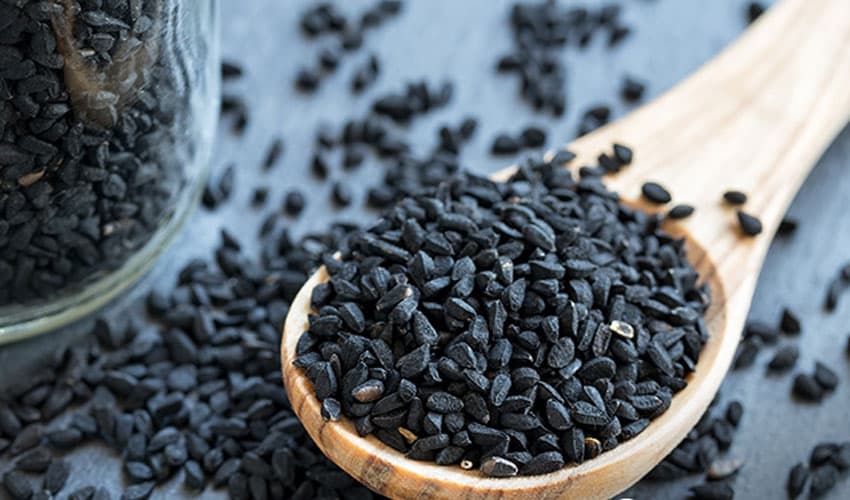
Kalonji, also known as Nigella Sativa, has long been valued in traditional medicine and kitchens alike. Modern scientific research is now reinforcing what generations have believed — this small black seed carries big health benefits.
Used for centuries as both a spice and a natural medicine, kalonji continues to gain attention from nutritionists. Experts say consuming it in balanced amounts daily may help prevent several common health issues.
Boosts immunity naturally
Kalonji contains powerful antioxidants and an active compound called thymoquinone, which help strengthen the body’s immune system. These components assist the body in fighting seasonal colds, flu, and infections.
Grinding kalonji with honey or drinking kalonji tea mixed with honey is commonly considered beneficial for immunity support.
Improves digestive system
Kalonji is known to ease digestive discomfort, including stomach gas, acidity, and indigestion. It supports better stomach function and can help reduce abdominal pain, particularly after consuming spicy foods.
Helps control blood sugar levels
Research reports suggest that kalonji helps balance blood sugar levels by improving insulin sensitivity. Because of this effect, it can be used as a dietary supplement for people managing diabetes, alongside medical guidance.
Beneficial for heart health
Kalonji helps lower bad cholesterol (LDL) and triglyceride levels in the body. The healthy fats present in the seeds protect heart muscles and may reduce the risk of heart-related diseases.
Supports skin and hair health
The antibacterial and anti-inflammatory qualities of kalonji make it helpful for skin rashes and irritation. Kalonji oil is also widely used to strengthen hair roots, reduce dryness, and slow down hair fall.
Kalonji can be easily added to everyday meals by mixing it with curry leaves, yogurt, or salads. It can also be soaked in water, brewed as tea, or consumed in the form of kalonji oil.