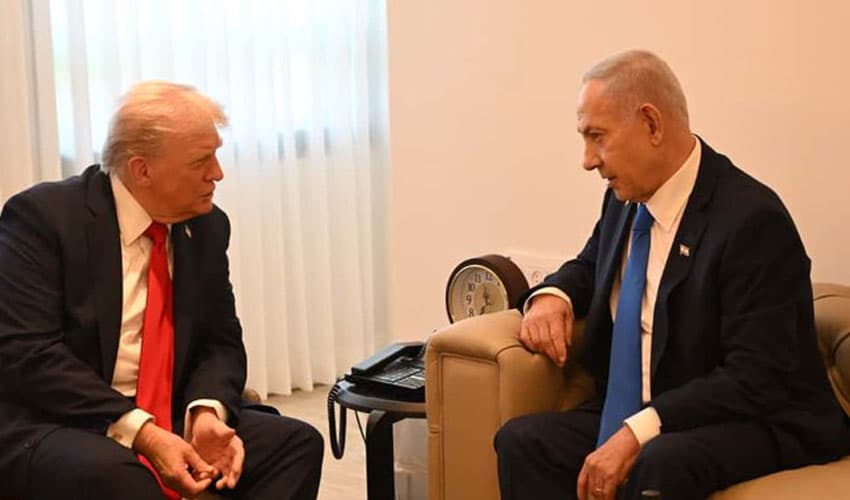
Israeli Prime Minister Benjamin Netanyahu has urged US President Donald Trump to postpone any American military strike on Iran, even as Iran struggles with nationwide anti-government protests and mounting international pressure.
A senior US official said Netanyahu made the request during a phone call with Trump on Wednesday. The conversation came as Trump publicly suggested that Iranian authorities had paused executions and reduced violence against protesters, citing intelligence from “very important sources on the other side.”
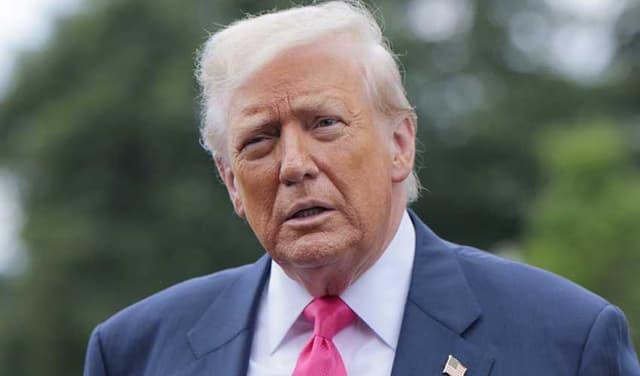
The comments appeared to signal a potential step back from military action, which Trump has been considering for days. However, US officials cautioned that Trump has not ruled out force and is still weighing options presented by military commanders.
Military options remain on table
A senior US official said late Wednesday that Trump’s decision would depend on how Iranian security agencies respond to ongoing protests. Trump has previously sent similar ambiguous signals, including last June, before nearly ordering strikes on Iran.
Also Read: Iran warns US of retaliation over strikes, US withdraws personnel
The White House declined to comment on Netanyahu’s request, and the Israeli prime minister’s office did not respond to media queries.
Arab allies urge restraint
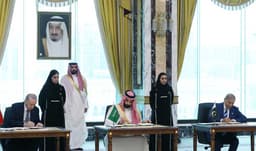
At the same time, key US partners — Qatar, Saudi Arabia, Oman and Egypt — have been urging Washington not to attack Iran.
Officials from these countries warned that a US strike could ignite a wider regional conflict. They have also been communicating with Iranian officials, urging Tehran not to retaliate against neighbouring states if the US launches an attack.
Saudi Minister of State Adel al-Jubeir emphasized dialogue over confrontation, saying disputes should be resolved at the negotiating table. Regional diplomats said Arab nations are coordinating messages to both Washington and Tehran to prevent escalation.
White House response
White House Press Secretary Karoline Leavitt said US officials had received reports that Iran had paused planned executions. She reiterated Trump’s warning that continued killings would bring “grave consequences.”
Israeli defense officials also assessed that the rate of killings has dropped, partly because Iran’s internet shutdown and lethal crackdown have reduced the size of protests since Sunday.
Also Read: At least 2,571 killed in Iran protests: HRANA
The protests, ongoing since late December, are believed to be the largest in Iran in decades. Iran briefly closed its airspace to commercial flights late Wednesday before reopening it.
US officials have prepared for possible Iranian retaliation, including strikes on American assets such as Al Udeid Air Base in Qatar or US troops in Iraq and Syria. Israel could also be targeted.
Background of recent Iran-Israel-US clashes
During a 12-day war in June, Iran fired ballistic missiles at Israel after US strikes on Iranian nuclear sites. Some missiles breached Israeli defenses, killing civilians.
Iran later retaliated against the US by launching missiles at Al Udeid Air Base, which hosts around 10,000 American troops. No casualties were reported, though the Pentagon temporarily reduced troop levels and later lowered the alert status as tensions eased.
Iran’s internet shutdown has made verification difficult, but human rights groups report staggering casualties. Human Rights Activists in Iran estimates more than 2,500 people have been killed, while Iran Human Rights puts the toll above 3,400.
Also Read: 'Help is on its way': Trump urges Iranian to continue protests
Two Iranian officials told The New York Times that at least 3,000 protesters had been killed. Canada’s foreign minister said a Canadian citizen was among the dead.
Trump’s warnings; Iran’s judicial clarification
Trump has repeatedly warned since January 2 that he could order an attack if protesters are harmed. He has publicly urged Iranian demonstrators to take over government institutions, writing that “HELP IS ON ITS WAY.”
On Thursday, Iran’s judiciary said it had not issued a death sentence for protester Erfan Soltani, contradicting earlier reports. Trump welcomed the news, calling it “good news” and expressing hope the restraint would continue.
Analysts say Iran is now trying to distinguish between ordinary protesters and those it labels rioters or terrorists backed by foreign powers. The strategy, they argue, aims to intimidate citizens and curb further demonstrations without triggering foreign intervention.

.jpg&w=640&q=75 "Saudi Arabia stresses joint cooperation to tackle new security threats")