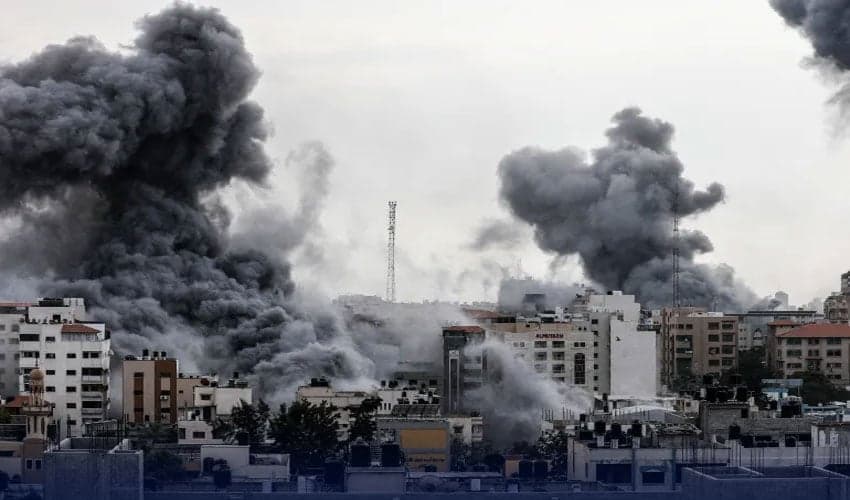
At least six Palestinians were killed and several others injured when Israeli tank shells struck a school-turned-shelter hosting a wedding in Gaza City’s Tuffah neighborhood.
The attack coincides with international efforts in the United States to progress the fragile Gaza ceasefire.
Local sources reported that the Israeli military hit the second floor of the shelter while displaced families were attending a wedding gathering. The strike adds to hundreds of ceasefire violations documented since the US-mediated agreement began in October.
This incident underscores the precarious security situation in Gaza, where civilians remain at risk despite ongoing diplomatic efforts.
US-led ceasefire talks in Miami
Meanwhile, US officials, including special envoy Steve Witkoff and Secretary of State Marco Rubio, held discussions in Miami with representatives from Qatar, Turkey, Egypt, and the UAE.
The negotiations aim to advance the next phase of the Gaza truce, focusing on establishing a Palestinian technocratic committee, forming a foreign-led “Board of Peace,” and deploying an international policing force in the territory.
Rubio emphasized the urgency of completing phase one to secure long-term donor support for reconstruction and humanitarian aid.
Israel’s security consultations
Israel’s Prime Minister Benjamin Netanyahu reportedly held a restricted security meeting to review the second phase of the ceasefire and assess potential scenarios. Despite ongoing talks, Israeli attacks on Gaza have continued nearly uninterrupted.
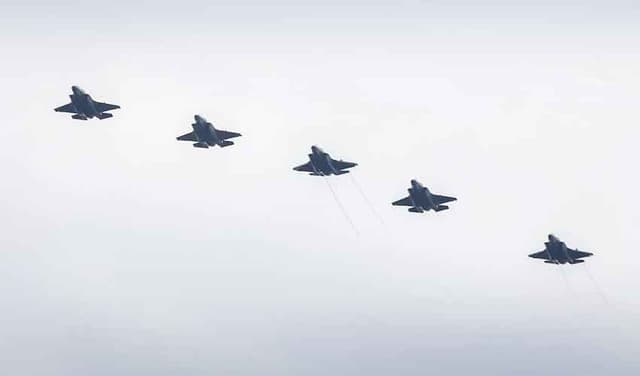
Israeli forces also carried out shelling and airstrikes in eastern Khan Younis and southern Gaza City, including areas inside the “yellow line,” violating ceasefire commitments.
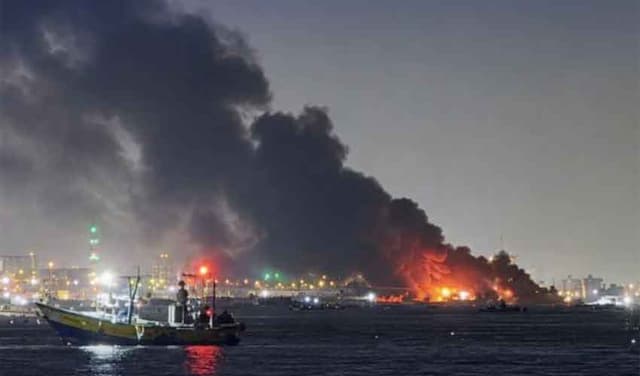
The Israeli blockade continues to restrict humanitarian assistance to Gaza, leaving civilians vulnerable. Reports indicate that naval fire targeted fishing boats off Gaza’s coast, and artillery attacks killed at least three additional Palestinians, including a woman, in eastern Khan Younis.
Aid organizations have warned that such attacks, combined with blockades, exacerbate the humanitarian crisis, leaving displaced families without essential support.