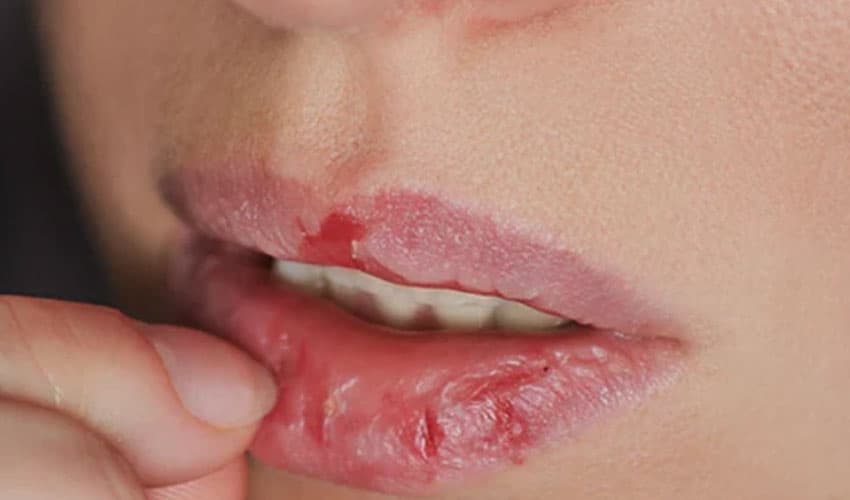
As winter sets in, many people complain of painful, cracked lips. Doctors say the problem goes beyond cold air and dehydration, with vitamin and mineral deficiencies often playing a hidden role.
Health experts explain that frequent chapped lips are not always caused by dry weather or reduced water intake. In many cases, an underlying lack of essential nutrients makes the condition worse during winter.
The problem can lead to pain, irritation and even open wounds, affecting daily comfort and oral health.
Role of vitamin B Complex
Medical experts say deficiency of vitamin B complex—especially B2 (riboflavin), B3, B6 and B12—can cause dryness, cracking and sores at the corners of the lips. This condition is medically known as angular cheilitis.
According to Dr Asha Saklani, a dermatologist from Uttarakhand, vitamin B12 deficiency causes lips to become dry and the surrounding skin to crack.
She adds that vitamin B12 is essential for red blood cell formation, and its deficiency may also lead to anaemia, numbness, tingling sensations and memory loss.
Experts also note that a lack of vitamin C weakens the skin. This makes the lips more prone to cracking, especially in colder months when skin sensitivity increases.
Iron and Zinc deficiency raise risk
Doctors say iron and zinc deficiencies are another major reason behind slow healing and repeated cracking of lips.
Women and people with weakened immune systems are particularly vulnerable, as their bodies may struggle to repair damaged skin efficiently.
Health professionals stress that a balanced diet is crucial to prevent chapped lips caused by nutritional deficiencies.
Milk, yoghurt, eggs, pulses, green leafy vegetables, malt, quinoa and lemon help meet vitamin requirements. Meat, liver, chickpeas and dry fruits are effective sources of iron and zinc.
Doctors recommend using vitamin B complex supplements strictly on medical advice. Applying lip balm or petroleum jelly several times a day helps protect and heal the lips.
They also advise people to avoid repeatedly wetting their lips with the tongue, as this worsens dryness. Drinking plenty of water remains an essential part of treatment.
Experts warn that severe pain, irritation or the appearance of a white layer at the corners of the lips may indicate a fungal infection.
In such cases, self-treatment should be avoided, and medical consultation is advised immediately.