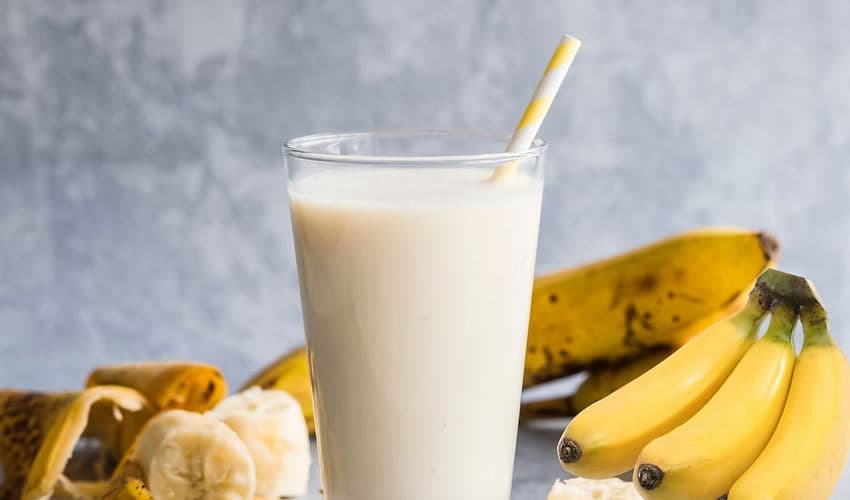
A new study by Singaporean experts suggests that everyday probiotic foods such as milk, yogurt, and bananas may play a role in preventing depression by improving gut health.
The findings highlight a growing link between nutrition, the digestive system, and mental well-being.
Researchers set out to understand how food influences the digestive system and, in turn, mental health. To do this, experts conducted experiments on mice to examine the connection between nutrition, gut bacteria, and depression.
The scientists first infected mice with a disease resembling depression. They then closely observed changes in the animals’ digestive systems, including the stomach, intestines, and esophagus.
According to the findings, harmful bacteria in the digestive system began producing a component known as indole. This substance was found to negatively affect mental health and trigger depression-like symptoms.
How gut chemicals impact brain
Researchers noted that when depression-related substances travel from the digestive system to the brain, a protein called calcium-dependent SK2 begins to form. This protein was identified as a key factor contributing to depressive behavior in the mice.
The study showed that disruptions in gut bacteria can directly influence brain chemistry.
This reinforces the idea that digestive health plays a critical role in mental well-being.
In the next phase of the study, researchers fed probiotic-rich foods to the mice. They then examined whether these foods altered gut bacteria and mental health outcomes.
The experts found that mice consuming probiotic foods did not develop the harmful bacteria responsible for producing the SK2 protein.
As a result, symptoms of depression were significantly reduced.
Why findings matter
According to the researchers, probiotic foods helped protect the mice against depression-like symptoms. This suggests that such foods may have potential as a supportive approach to mental health.
However, the experts stressed that further research is needed to confirm whether similar effects occur in humans. They described probiotic foods as an emerging and promising area of treatment.
The study notes that probiotic foods include:
Milk, yogurt, oatmeal, bananas, garlic, ginger, cheese, and vinegar. Health experts have highlighted the benefits of these foods for decades.