Eggs may look identical from the outside, but not all are safe to eat. Experts warn that spoiled or contaminated eggs can harm health, making it essential to check their freshness before use.
Eggs are a nutritious part of the daily diet, but consuming spoiled ones can lead to health problems. According to experts, some eggs may also contain the banned antibiotic substance nitrofuran, prolonged exposure to which can cause serious health issues.
This is why checking the quality and safety of eggs before boiling or cooking is strongly advised.
Seven Easy Home Tests to Check Egg Safety
1. Water Test (Float Test)
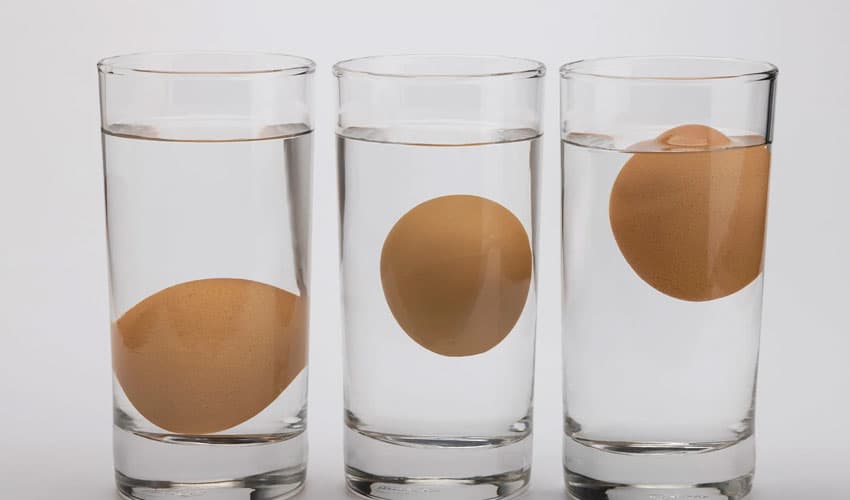
Fill a pot with cold water and gently place the egg inside.
If it sinks and lies flat, it is fresh. If it sinks but stands upright, it is old but still usable. If it floats, the egg is spoiled and should be discarded immediately.
2. Smell Test
Crack the egg into a bowl and smell it.
A fresh egg has no strong odor, while a rotten egg gives off a sharp and unpleasant smell.
3. Inspect the Shell
Examine the eggshell closely before use.
Cracks, stickiness, or mold on the shell are clear signs that the egg is spoiled.
4. Shake and Listen
Hold the egg close to your ear and shake it gently.
If you hear a sloshing or watery sound, the egg is old. A fresh egg makes no sound.
5. Check After Breaking the Egg
A fresh egg has a firm, round yolk and thick egg white.
If the color looks unusual or the texture appears runny and strange, the egg should not be used.
6. Check the Date on the Carton
Eggs sold in supermarkets usually have a stamped date on the carton.
Always check the expiration date and store eggs properly in the refrigerator.
7. Light Test (Candling)
In a dark room, shine your mobile phone light through the egg.
Fresh eggs allow more light to pass through, while older eggs appear dull inside.
What Consumers Should Keep in Mind
Experts stress that these simple checks can help prevent health risks linked to spoiled or contaminated eggs.
Regularly inspecting eggs before cooking is a small step that can make a big difference in food safety.