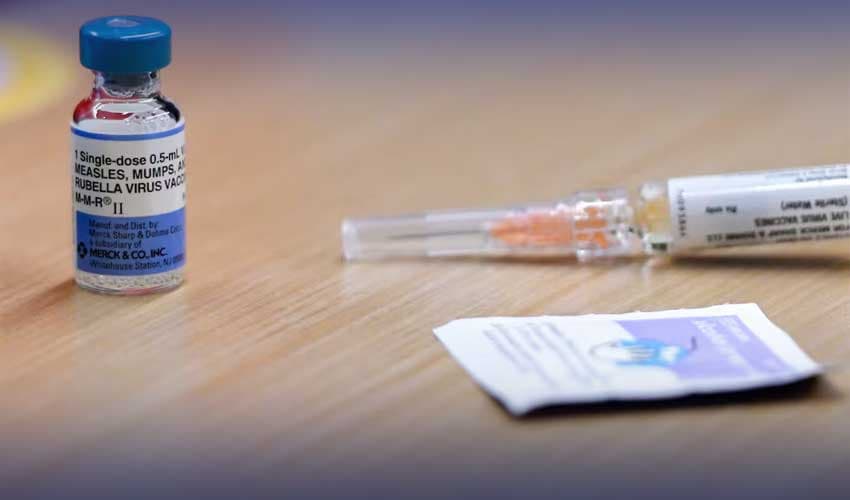
The Ministry of Health has launched a major initiative to end Pakistan’s dependence on imported vaccines, with the government beginning work on the country’s first-ever local vaccine policy in collaboration with the Drug Regulatory Authority of Pakistan (DRAP).
The federal government has started preparing the first local vaccine policy to strengthen domestic manufacturing capacity. The policy, being developed with the support of DRAP, will be presented to the federal cabinet for final approval.
Once approved, it is expected to provide a clear framework for vaccine production within the country.
Under the proposed policy, a five-year target will be set to manufacture 13 vaccines locally. At present, Pakistan imports these vaccines from China, Europe, Indonesia, and other countries.
The policy aims to pave the way for local manufacturers by offering regulatory clarity and long-term production goals.
Local production limited
Currently, only a limited number of vaccines and sera are produced domestically. Anti-rabies vaccine, tetanus vaccine, and anti-snake venom serum are manufactured at the National Institute of Health.
The majority of vaccines used in the country, especially for routine immunization, continue to be imported.
Pakistan spends millions of dollars annually on importing vaccines for the Expanded Programme on Immunization (EPI). These costs are expected to rise significantly in the coming years.
By 2030, annual spending on vaccine imports is projected to exceed one billion dollars if local production is not expanded.
Save foreign exchange
Health officials believe that reliance on locally produced vaccines could save around one billion dollars in foreign exchange. Reducing dependence on imports is also expected to improve supply security and strengthen Pakistan’s health system.
The initiative reflects a broader government effort to promote self-reliance in critical healthcare sectors.