Prime Minister Shehbaz Sharif-led government has assured the International Monetary Fund (IMF) that electricity and gas prices will be increased on schedule as part of a broader plan to tackle the country’s fiscal challenges.
Officials have outlined measures to boost tax revenue, reform energy sectors, and curb circular debt.
Tax measures to address revenue shortfall
Facing a significant tax revenue gap this fiscal year, the government plans to tighten enforcement of existing tax laws. A roadmap for additional measures will be finalized by the end of this month. Proposals include a 5% increase in federal excise duty (FED) on fertilizers and chemicals, along with new levies on high-end sugary products.
RELATED: IMF pushes Pakistan for officials’ asset disclosure
Authorities also aim to intensify monitoring in the cement and sugar sectors, target non-filers and asset holders, and bring 40,000 large retailers under full Point-of-Sale (POS) monitoring within two years. The scope of digital invoicing will expand, and some items may be moved from the 8th GST schedule into the general GST framework.
Energy sector reforms
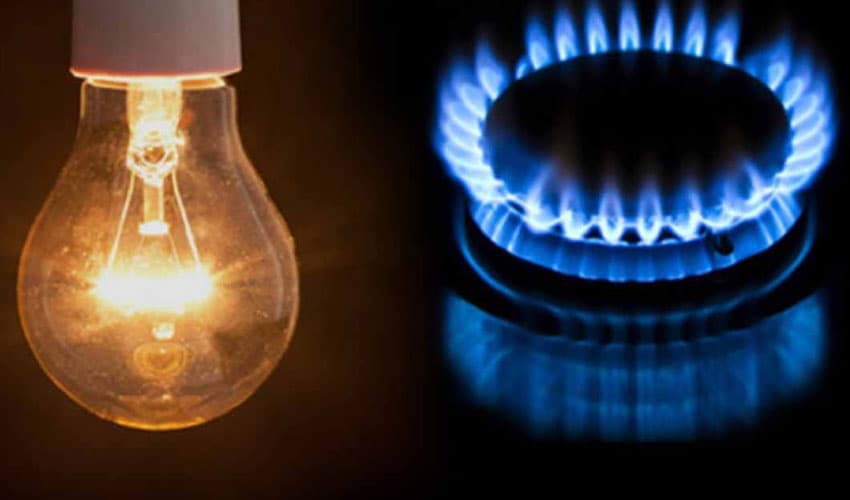
The government assured the IMF that electricity and gas tariffs would be revised on time. Under the excess electricity consumption scheme, automatic adjustments will be applied if costs increase. The non-extendable scheme will end after three years or immediately if tariffs rise in two consecutive reviews. Protections for vulnerable consumers will remain, while industry and agriculture tariffs may be raised if revenue targets are unmet.
The Gas Sector Circular Debt Management Plan will be published by March 2026, with a long-term goal of eliminating circular debt by 2030-31. Measures to reduce gas theft and line losses are also planned. Privatization of Islamabad, Gujranwala, and Faisalabad Electric Companies is scheduled for early 2026.
Power Sector
A new power plan aims to eliminate 7,000 MW of excess electricity capacity, which is expected to reduce tariffs and save approximately $17 billion over the next decade. Officials say the reduction in surplus capacity will help improve efficiency while easing the financial burden on consumers and the government.