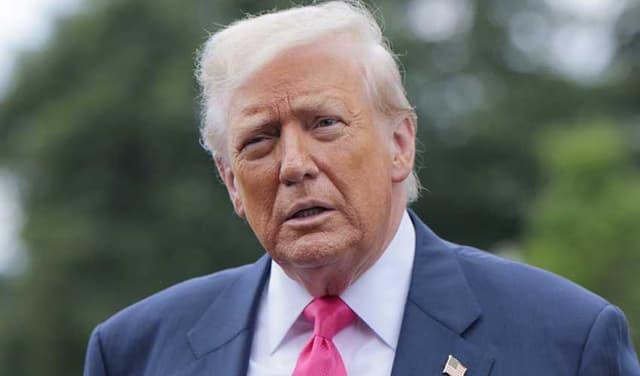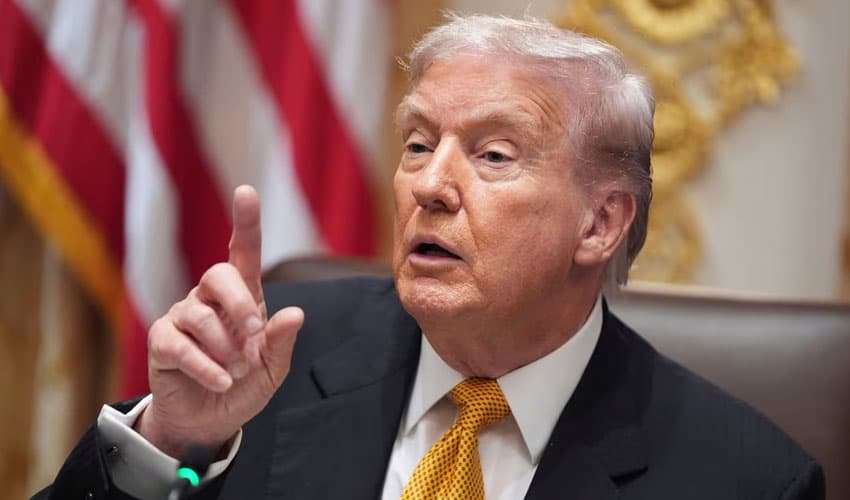
U.S. President Donald Trump announced on Friday that he is likely to sue the BBC for up to $5 billion over the editing of a January 6, 2021, speech, accusing the British broadcaster of defaming him despite its apology.
The dispute comes as the BBC faces resignations of two top executives amid accusations of bias.
Trump’s lawyers had initially given the BBC a Friday deadline to retract the documentary, issue an apology, and pay compensation for alleged “overwhelming reputational and financial harm,” threatening a lawsuit of at least $1 billion.
Speaking aboard Air Force One en route to Florida, Trump said, “We’ll sue them for anywhere between $1 billion and $5 billion, probably sometime next week. They’ve even admitted that they cheated.” He accused the BBC of manipulating his speech to create a false impression of inciting the Capitol riot.
Trump’s reaction to the BBC’s apology
Although BBC Chair Samir Shah issued a personal apology, calling the edits an “error of judgement,” Trump dismissed it as insufficient.
He told GB News, “When you say it’s unintentional, I guess if it’s unintentional, you don’t apologize. They clipped together two parts of the speech that were nearly an hour apart… One was making me into a bad guy, and the other was a very calming statement.”
Trump called the incident “beyond fake” and likened it to election interference.
BBC’s response and internal crisis
The BBC has stated it will not rebroadcast the documentary and is investigating additional editing allegations, including incidents on its “Newsnight” programme.
This controversy has led to the resignation of Director General Tim Davie and Head of News Deborah Turness, marking the broadcaster’s most serious crisis in decades. British Culture Minister Lisa Nandy described the apology as “right and necessary.”
Prime Minister Keir Starmer, with whom Trump has reportedly built a strong rapport, expressed support for an independent BBC while emphasizing the need for the broadcaster to “get its house in order.”
Lawmakers and former media ministers have raised concerns about whether public licence fees could be used to settle potential damages, highlighting the political sensitivity of the case.