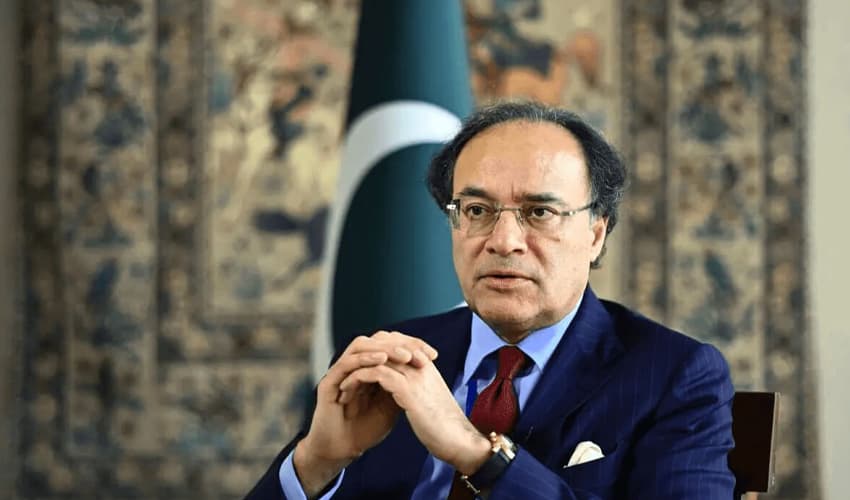
The National Assembly session kicked off on Tuesday at 5 pm, wherein Finance Minister Muhammad Aurangzeb was presenting the federal budget for the fiscal year 2025–26.
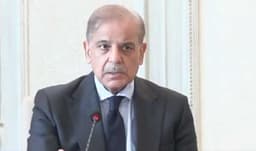
Prime Minister Shehbaz Sharif also arrived in the House to witness the session.
Finance Minister Aurangzeb delivered the Rs17.573 trillion budget, citing targets including Rs14.13 trillion in revenue collection by the FBR and an approximately 19% increase in defence spending to Rs2.55 trillion.
The proposed plan builds upon a Rs1 trillion PSDP and includes a salary and pension increment of 7.5–10% meant to provide relief to public servants.
Following the presentation, the House will recess on June 11 and 12. Debates will resume on June 13 and continue through June 21, with further sessions set for discussions on expenditure and approvals through late June.
Budget 2025–26 brings massive tax relief for salaried class in Pakistan
The federal budget for FY 2025–26, announced today, includes significant relief for salaried individuals through reductions across all income tax slabs.
These measures were unveiled during the budget speech by the Finance Minister, who emphasized easing the burden on middle-income earners
Under the new policy, all tax slabs have been adjusted downward: Annual income up to Rs600,000 now tax-free—federal exemption limit raised
First taxable slab (Rs 600,001–1,200,000) now carries just 1% tax, a sharp reduction from the previous 5%, translating to annual tax of Rs 6,000 for those earning up to Rs 100,000 per month.
For incomes Rs 1.2m–2.2m, the 15% rate has been cut to 12.5%.
Income bracket Rs 2.2m–3.2m will now be taxed at 22.5% (down from 25%).
Incomes Rs 3.2m–4.1m see a drop from 30% to 27.5%, while earnings above Rs 4.1m face a new top rate of 32.5% (down from 35%)
In total, salaried workers are projected to receive a tax relief of Rs 56–60 billion, facilitated through an agreement with the IMF under the ongoing funding programme.
'No new taxes' in budget 2025-26
Muhammad Aurangzeb has addressed concerns about the budget, clarifying that no new taxes have been imposed and highlighting the International Monetary Fund's (IMF) praise for Pakistan's economic reforms, showcasing the government's efforts to stabilize the economy.
Notably, tax revenue has significantly increased from Rs45 billion to Rs105 billion and the government has taken steps to control inflation.
Finance minister also emphasized the launch of the Federal Board of Revenue's (FBR) transmission plan and acknowledged the challenges faced by the government, including the weakness of revenues. Despite these challenges, the government had to take difficult decisions, which have yielded positive results.
Foreign exchange reserves have increased by $2 billion, and a current account surplus of $1.5 billion is expected.
The government's economic progress has also been recognized by international agencies, with Moody's signaling improvement in Pakistan's economy. Although Fitch downgraded Pakistan's rating to B minus, the government remains optimistic about economic progress. With a focus on economic stability, the government aims to build on the progress made and navigate future challenges.
State Bank reserves projected to reach $14 billion
The minister, during his budget speech, said State Bank of Pakistan (SBP) reserves are projected to reach $14 billion, and remittances are expected to reach $37-38 billion.
Tributes to military and political leadership
The finance minister praised the nation's unity and solidarity against India and external aggression and paid tribute to the military and political leadership. Despite opposition noise in the National Assembly, Prime Minister Shehbaz Sharif attended the budget session, demonstrating the government's commitment to economic stability and development.
Economic reforms
Muhammad Aurangzeb has outlined a series of economic reforms and initiatives aimed at boosting the country's economy.
During his budget speech, finance minister announced that ICT exports are expected to surge to $25 billion in the next fiscal year, up from $3.1 billion in the current fiscal year, highlighting the growing importance of the IT sector in Pakistan's economy.
What budget is allocated for climate change challenges?
He informed the National Assembly that the government has also received significant support for addressing climate change, with the International Monetary Fund (IMF) providing $1 billion and a total of $40 billion expected over the next 10 years.
Additionally, the government has implemented reforms to the pension scheme, merged or abolished 45 institutions, and approved right-sizing of 10 ministries as part of efforts to modernize the institutional structure of the government.
The finance minister emphasized the government's commitment to creating a favorable business environment and increasing investment.
To achieve this, the government plans to privatize Pakistan International Airlines (PIA) and Distribution Companies (DISCOs), issue Sukuk Bonds, and prepare the first Panda Bond.
A comprehensive tariff reforms package will also be introduced to reduce tariffs and benefit all sectors of the economy.
Reko Diq project: Game-changer for Pakistan
The Reko Diq project is expected to be a game-changer for Pakistan, generating $7 billion in taxes. Reforms have also been made in the oil and gas sector, with plans to abandon 9,000 expensive power plants and obtain cheap electricity.
The government aims to eliminate losses of electricity distribution companies within the next 5 years and is taking steps towards privatization of 3 companies.
Power sector reforms
Finance Minister Muhammad Aurangzeb has announced significant reforms in the country's power sector.
The government has decided to entrust planning and implementation of future projects to world-class companies, ensuring expertise and efficiency in the sector.
The move is expected to bring much-needed professionalism and innovation to the power sector.
The government has also finalized laws and regulations for a preferential and free market for the power sector, with implementation expected to start within the next three months.
The move will create a more competitive and dynamic market, driving growth and investment in the sector.
Additionally, the government has abandoned the inclusion of expensive 9,000 megawatt power plants in the national grid, opting for cheaper electricity sources instead.
The decision is expected to reduce the cost of electricity generation and provide relief to consumers. Furthermore, all state-owned power plants have been closed in the form of Gencos, resulting in an annual burden of $7 billion being lifted from the treasury.
These reforms aim to improve the efficiency and sustainability of Pakistan's power sector, reducing the financial burden on the government and promoting economic growth.
Economic targets: Inflation at 7.5%, budget deficit at 3.9% of GDP
Muhammad Aurangzeb has unveiled key initiatives to boost the agriculture sector and drive economic growth. A Clean Financing Facility Program is being launched to provide financial support to small farmers, with banks offering loans of up to Rs100,000 without collateral.
The move aims to promote agricultural development and increase access to credit for small-scale farmers.
The Finance minister emphasized that the budget is a strategic roadmap towards creating a competitive economy.
He highlighted the government's commitment to bringing fundamental changes to the economy, effectively changing its DNA to drive growth and development. According to the Minister, the economic growth rate is projected to reach 4.2% for the financial year 2025-26.
The government has also set targets for key economic indicators, including an inflation rate of 7.5% and a budget deficit of 3.9% of GDP. Additionally, a primary surplus of 2.4% of GDP is expected.
These targets reflect the government's efforts to stabilize the economy and promote sustainable growth. With these initiatives, the government aims to create a more competitive and resilient economy, driving progress and prosperity for Pakistan.
Education and HEC budget
Finance Minister has announced allocations for education and science sectors in the budget.
A total of Rs39.5 billion has been allocated for 170 Higher Education Commission (HEC) projects in the field of higher education.
Out of this amount, Rs38.5 billion is earmarked for ongoing HEC projects, highlighting the government's commitment to supporting higher education initiatives.
In addition to higher education, the government has also allocated Rs 4.8 billion for 31 schemes in the science and technology sector.
The investment aims to promote research, innovation, and technological advancements in the country.
Furthermore, Rs 9.8 billion has been allocated for the construction of educational schools, demonstrating the government's focus on improving infrastructure and access to quality education.
FBR revenue target
Federal Board of Revenue (FBR) is expected to collect Rs 14,131 billion in revenue, representing an 18.7% increase from the current fiscal year.
The provincial share in federal revenue will be Rs8,206 billion, while federal non-tax revenue is targeted at Rs5,147 billion.
The net income of the federal government is estimated at Rs11,072 billion, with total expenditure projected at Rs17,573 billion. Out of this, Rs8,207 billion is allocated for markup payments, and ongoing expenditure is estimated at Rs16,286 billion.
41,000 new jobs
The finance minister said Reco Diq project in Balochistan is expected to generate a cash flow of $75 billion over its 37-year lifespan and create 41,000 jobs. Additionally, it will boost the construction sector by $1.5 billion and generate $7 billion in taxes and $7.8 billion in royalties.
To facilitate exports, the government is constructing rail and road infrastructure from Port Qasim to Gwadar.
Related companies have expressed their commitment to invest over $5 billion in oil and gas exploration, underscoring the potential for economic growth and development in the country.
PSDP allocations: Sukkur-Hyderabad Motorway Lane
A total of Rs1000 billion has been allocated for the Public Sector Development Programme (PSDP), highlighting the government's commitment to driving growth and development. Within the PSDP, Rs 328 billion has been earmarked for transport infrastructure projects, aiming to improve the country's transportation network.
Key allocations include Rs 100 billion for the Karachi-Chaiman-25 highway, which will be upgraded to a dual-lane highway, enhancing connectivity and facilitating travel. Additionally, Rs 15 billion has been allocated for the construction of the Sukkur-Hyderabad 6-lane motorway, a major infrastructure project that will improve road travel in the region.
Further allocations include Rs 7 billion for the timely completion of the Thar-Coal rail project, which will boost transportation of coal and other goods.
The government has also allocated Rs 1.9 billion for the upgradation of Gadani ship breaking facilities, aiming to modernize and enhance the efficiency of these facilities. These development projects are expected to drive economic growth, create jobs, and improve the overall quality of life for citizens.
‘Pakistan's average tariffs the lowest in the region’
The finance minister has announced a tariff reforms package aimed at boosting economic growth by increasing exports.
The reforms will be integrated into the National Tariff Policy 2025-30, signaling a significant shift in the country's trade policy.
Key features of the reforms include the abolition of additional customs duty within four years and regulatory duties within five years.
The government plans to simplify the customs duty structure, reducing it to just four slabs ranging from 0 to 15 percent, with a maximum customs duty cap of 15 percent.
According to the Finance Minister, this move will make Pakistan's average tariffs the lowest in the region, as per the World Bank. This reform is expected to enhance the competitiveness of Pakistani exports and attract foreign investment.
The Finance Minister also highlighted progress in debt management, noting that the country's debt-to-GDP ratio has fallen below 70 percent from 74 percent two years ago. In the capital markets, Sukuk bonds have been successfully issued through the Pakistan Stock Exchange, with plans to launch five more products underway. Furthermore, preparations for issuing Yellow Panda Bonds have been completed, aiming to access the vast Chinese market and attract investment.
Budget allocations for 2022 floods victims of Sindh
For education, Rs 3 billion has been allocated for the construction and reconstruction of schools in Sindh that were affected by the 2022 floods.
Additionally, Rs 4.3 billion has been allocated under the Prime Minister's Youth Skill Development Program, which aims to provide skill training to 169,000 youth.
The program will focus on IT, industrial, and traditional trade skills, with 56,000 youth to be trained in IT, 64,000 in industrial skills, and 49,000 in traditional trades.
Health budget
In the health sector, Rs 14.3 billion has been allocated for 21 important projects, including Rs 4 billion for the Jinnah Medical Complex in Islamabad. This investment aims to improve healthcare infrastructure and services in the country.
Rs164 billion for AJK and GB
The government has also allocated Rs164 billion for Azad Kashmir, Gilgit-Baltistan, and the merged districts of Khyber Pakhtunkhwa under the Public Sector Development Programme (PSDP).
The allocation includes Rs 48 billion for Azad Jammu and Kashmir, Rs 48 billion for Gilgit-Baltistan, and Rs 68 billion for the merged districts of KP. These funds will support development projects and initiatives in these regions, promoting economic growth and improving living standards.
21% increase in BISP budget
The federal government has announced plans to expand the Benazir Income Support Programme (BISP) with a proposed 21% increase in allocation, bringing the total to Rs 716 billion.
As part of this expansion, the Kafalat program under BISP will be extended to cover 10 million families, providing financial support to more households in need.
Additionally, the government aims to broaden the educational scholarship program, increasing its reach to 12 million children.
The initiative is designed to promote education and provide opportunities for children from disadvantaged backgrounds.
Govt eyes cutting water wastage by 33 percent
Despite facing limited financial resources, the government remains committed to implementing water reservoir projects, according to Finance Minister Muhammad Aurangzeb.
The country is facing a significant challenge, with a risk of further reduction of 10 million acre feet in water reserves. To address this issue, the government aims to reduce water wastage by 33 percent and increase efficient usage by 30 percent.
The Finance Minister emphasized the importance of water management, particularly under the Indus Waters Treaty.
To ensure compliance, the government will monitor water discharge moment by moment.
Rs102 billion for ongoing water reservoir initiatives
A total of Rs102 billion has been earmarked for further investment in ongoing water initiatives. Key allocations include Rs32.7 billion for the Diamer-Bhasha Dam and Rs 35.7 billion for the Mohmand Dam, highlighting the government's commitment to developing major water infrastructure.
Additionally, Rs 3.2 billion has been allocated for four Karachi Bulk Water Supply projects, aiming to improve water supply in the city. Rs 10 billion has been set aside for the Kalri Baghar Feeder Canal, while Rs 4.4 billion will be spent on telemetering for the Indus Basin System to enhance water management. Furthermore, Rs 1.8 billion has been allocated for the Pit Feeder Canal.
The government has also allocated Rs 5 billion for the construction of Awaran, Panjgur, Kurug, and Kishgo Dams, supporting water development in various regions. These investments aim to improve water security and support agricultural and urban needs.
Budget allocations for energy projects
The government has allocated Rs67.2 billion for clean, renewable, and hydropower projects, highlighting its commitment to sustainable energy development.
A significant portion of this allocation includes Rs 20 billion for the 2,160 MW Dasu Hydropower Project Phase 1, a major initiative to harness hydropower potential. Additionally, Rs 3.4 billion has been allocated for the Tarbela 5 expansion project, further boosting hydropower capacity.
The Mohmand Hydro Project has been allocated Rs 35.7 billion, underscoring the government's focus on renewable energy sources.
Furthermore, Rs 1.6 billion has been proposed for the modernization of 100 and 200 KV transformers, aiming to enhance the efficiency of the power transmission system. The government has also allocated Rs 2.9 billion for the Advanced Metering Infrastructure Project in IESCO, which will improve energy management and billing systems. These investments are expected to promote clean energy, reduce reliance on fossil fuels, and improve the overall efficiency of the power sector.
18% new tax on e-commerce or online businesses, shoppers
The government has proposed several new tax measures in the federal budget for the financial year 2025-26, aiming to increase revenue and bring various sectors into the tax net.
One key decision is to impose tax on e-commerce or online businesses and shoppers, bringing online transactions under the tax umbrella.
Individuals or companies selling goods or services through online platforms will be subject to tax, and tax will also be applicable on goods and services ordered online. E-commerce businesses will be required to submit detailed data and tax reports of their monthly transactions to relevant authorities.
Additionally, the budget proposes a 25% tax on income earned on debt, while the tax rate on profits earned on shares remains unchanged.
The government also plans to tax high pensioners, with a 5% tax applicable on individuals below 70 years old who receive a pension exceeding Rs 10 million per year. However, low and medium pensioners have been exempted from this tax. Furthermore, the tax rate on interest income has been increased by 5%, from 15% to 20%, although national savings schemes will not be affected.
These measures aim to broaden the tax base and generate additional revenue for the government.
Corporate sector: Super tax rate reduced by 0.5 percent
The federal government has announced relief measures for the corporate sector and property buyers in the upcoming budget for the fiscal year 2025-26.
According to Finance Minister Muhammad Aurangzeb, the government has decided to reduce the super tax for the corporate sector. For companies with annual income between Rs200 million and Rs50 million, the super tax rate has been reduced by 0.5%.
Additionally, the withholding tax rates on property purchases have been reduced. The withholding tax rates have been lowered from 4% to 2.5% for the first slab, from 3.5% to 2% for the second slab, and from 3% to 1.5% for the third slab.
The federal government has also abolished the federal excise duty on the transfer of commercial properties, plots, and houses, which was 7% in the previous budget. To promote mortgage financing, the government has announced tax credits for homes up to 10 marlas and flats up to 2,000 square feet.
Furthermore, the stamp paper duty on property purchases in Islamabad has been reduced from 4% to 1%. These measures aim to provide relief to taxpayers and stimulate economic growth.
18% sales tax on small vehicles
An 18% sales tax will be imposed on small vehicles up to 850cc, aiming to bring uniformity in sales tax on petrol, diesel, and hybrid vehicles. This move is expected to impact the automotive industry, particularly small car owners.
The government plans to take strict measures against unregistered businesses. Bank accounts of such businesses will be frozen, and there will be a ban on property transfers. In severe cases, business premises can be sealed, and goods confiscated. However, businesses will have the right to appeal within 30 days.
The estimated budget size for 2025-26 is Rs17,500 billion, with the Federal Board of Revenue (FBR) targeting Rs14,100 billion in revenue. The government has been working closely with the International Monetary Fund (IMF) to finalize the budget estimates.
The budget aims to stimulate economic growth while imposing austerity measures, including a ban on purchasing new vehicles for federal ministries and departments. The government has also announced tax credits for homes up to 10 marlas and flats up to 2,000 square feet to promote mortgage financing.
Govt allocates Rs17.8tr for sports’ uplift
The federal government has allocated Rs17.8trillion for the promotion of sports in the budget for the forthcoming fiscal year.
According to details surfaced on Tuesday, the government has allocated Rs30million for the construction of 250 mini sports complexes. Moreover, for the promotion of the national games, a budget of Rs150million has been allocated.
The government had allocated Rs120million for the biomechanics lab, whereas Rs100million was allocated for the hiring of the foreign coaches.
Govt allocates Rs4.8bn for science and technology promotion
The incumbent government has allocated Rs4.8 billion for 31 schemes for the promotion of science and technology.
According to details surfaced on Tuesday, the government had decided to allocate Rs9.8billion for the construction of Daanish schools.
In his budget speech, Finance Minister Muhammad Aurangzeb said, "We will change the economic DNA by bringing the basic changes."
Meanwhile, goods and services purchased online will also be taxed as a decision has been made to impose tax on individuals conducting online business.
According to details surfaced on Tuesday, use of e-commerce platforms for business will attract taxation. Income tax rate on interest income proposed to increase by 5%. The tax rate is proposed to rise from 15% to 20%, according to the budget document.
Major pension reforms in budget 2025–26Finance Minister Muhammad Aurangzeb announced on Tuesday key pension reforms during his Budget 2025–26 speech, aimed at reducing the financial burden on the national exchequer.
According to detail, he said: "Over the past several decades, changes made to the pension scheme through executive orders had significantly increased pressure on the state treasury. To address this issue, the government had introduced essential reforms."
Under the new measures, early retirement would be discouraged, and pension increases would be linked to the Consumer Price Index.
Following the death of a spouse, the duration of family pension payments would be limited to ten years. In addition, the practice of receiving multiple pensions had been abolished.
The finance czar explained that, after retirement, individuals rejoining government service would have to choose between receiving a salary or a pension, but not both.
Govt announces major tax relief for corporate sector, property buyersThe government has announced several relief measures for the corporate sector and property buyers in the new federal budget, aimed at boosting economic growth and stimulating the real estate market.
According to the budget 2025-26 details, the super tax on annual income between Rs200 million to Rs500 million will be reduced by 0.5%. This move is expected to increase liquidity in the corporate sector and encourage investment.
In another significant announcement, the government has reduced the withholding tax rate on property purchases. The new rates are as follows: reduced from 4% to 2.5% in the first slab, reduced from 3.5% to 2% in the second slab and reduced from 3% to 1.5% in the third slab
These reductions are likely to make property purchases more affordable for buyers and stimulate demand in the real estate market.
Furthermore, the federal excise duty on the transfer of commercial properties, plots, and houses has been abolished, which was 7% in the previous budget.
To encourage homeownership, the government has announced a tax credit on houses up to 10 marla and flats of 2,000 square feet. Additionally, the federal government has decided to promote mortgage financing to make housing more accessible to the masses.
In a bid to facilitate property buyers in Islamabad, the stamp paper duty on property purchases has been reduced from 4% to 1%. These measures are likely to have a positive


.jpg&w=256&q=75 "Holiday announced on July 22")