The federal government is set to announce inflation-adjusted salary relief for government employees in the upcoming budget 2025-26, as part of broader measures to ease economic pressure on the salaried class and promote digital payments.
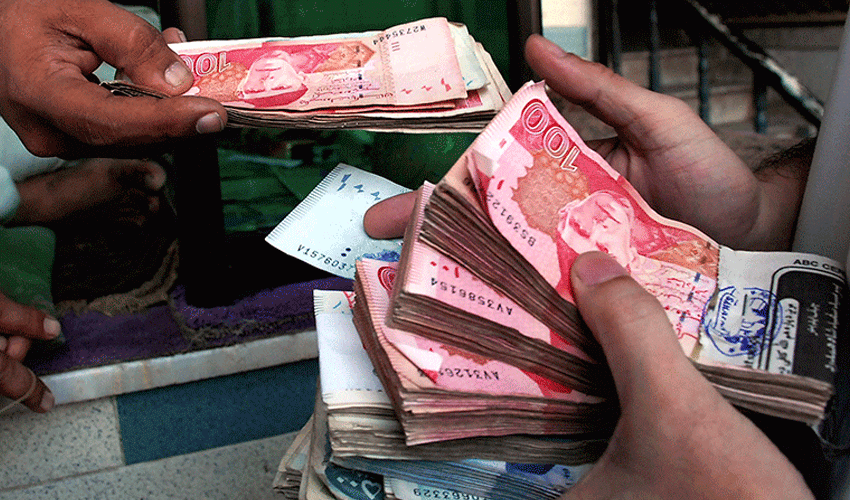
According to sources, the government intends to increase salaries and allowances for public sector employees in line with current inflation. Employees have been demanding a significant raise and are calling for a minimum monthly salary of Rs50,000. In case their demands are not met, several employee unions have announced a protest sit-in outside Parliament House on June 10, the expected day of the federal budget presentation.
Crackdown on cash transactions proposed
In parallel, the government is preparing to introduce key fiscal reforms aimed at discouraging cash-based transactions in an effort to reduce tax evasion and fuel adulteration.
As per sources in the Federal Bureau of Revenue, among the notable proposals likely to be included in the Finance Bill 2025:
-
A Rs3 additional charge may be levied on fuel purchases made in cash at petrol pumps. This is likely to help in curbing tax evasion and adulteration.
-
Manufacturers and importers could be allowed to charge an extra 2% tax on all cash sales.
-
Additional taxation may apply to cash purchases at Tier-1 retailers, although restaurants remain exempt from such taxes on debit/credit card payments.
Also Read: Budget 2025-26: Govt proposes tax hikes on bank deposits, savings
To support this shift, digital payment options, including QR codes, debit/credit card terminals, and mobile wallets, are also expected to be made available at fuel stations and other retail points. However, customers will retain the option to pay in cash after absorbing the additional tax, the sources added.
No expansion of tax net for certain sectors
Contrary to expectations, no new proposals have been included in the upcoming budget to bring event managers, jewelers, wedding halls, doctors, and lawyers into the formal tax net, sources from the Federal Board of Revenue (FBR) confirmed.
On the other hand, the federal budget is set to include significant tax increases on bank deposits, savings schemes, and cash withdrawals by non-filers, alongside a boost in development spending.
According to official sources familiar with the matter, work is actively underway on a range of tax proposals that include a significant increase in the withholding tax on cash withdrawals by non-filers.
Also Read: Budget 2025-26: Five-year tax proposed on fuel vehicles to boost EVs
The rate, currently set at 0.6%, is expected to double to 1.2%. Additionally, a new tax slab is under consideration for daily withdrawals exceeding Rs50,000, aiming to discourage large cash transactions and promote documentation of the economy.
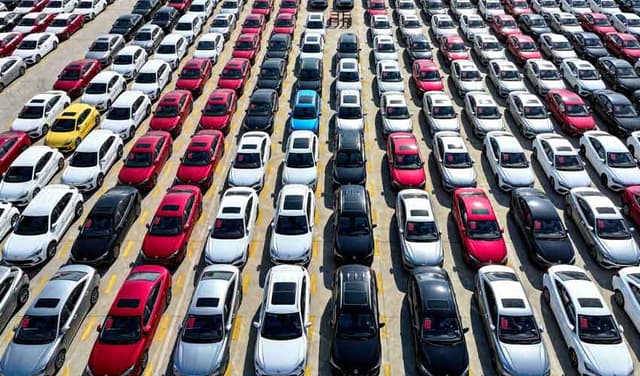
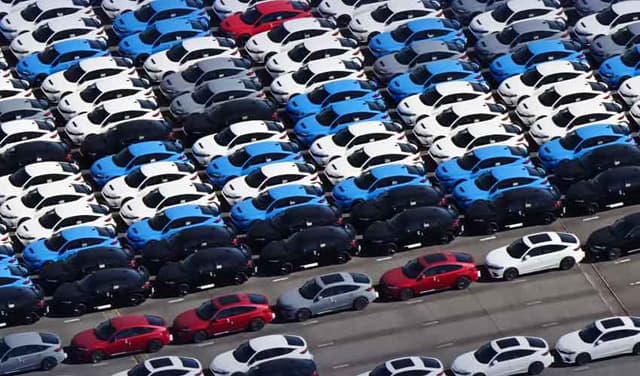
Tax authorities are also mulling an increase in the General Sales Tax (GST) on locally manufactured vehicles, particularly those with engine capacities under 800cc — a category previously considered more affordable for the average consumer. The GST rate on these vehicles is likely to rise from 12.5% to 18%, aligning them with the broader tax regime.
Further proposals include imposing levies on petrol and diesel-run vehicles, revising taxes on capital gains and profits, and adjusting the super tax. Notably, the government is also contemplating a reduction in the super tax rate, a move likely intended to ease the burden on large-scale industries and encourage investment.