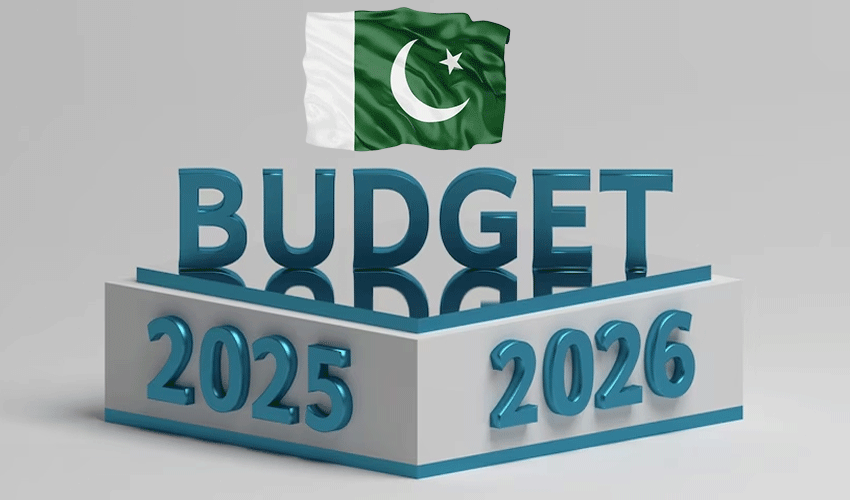
As part of the upcoming fiscal year 2025–26 budget, the government is considering a five-year levy on all petrol and diesel-powered vehicles in a bid to promote electric vehicles (EVs).
The move is part of a broader strategy to transition towards cleaner transportation and reduce dependence on fossil fuels.
According to official sources, the proposed levy would apply to both imported and locally manufactured vehicles that run on petrol or diesel. The plan, if implemented, is expected to generate Rs24 billion annually, with an estimated total revenue of Rs122 billion over five years.
The proceeds from the levy will reportedly be allocated to a newly proposed Electric Vehicle Fund. This fund will support the implementation of the upcoming Electric Vehicle Policy 2026–30, which is currently under final review by the Ministry of Industries and Production. The policy is expected to include subsidies, infrastructure development, and research initiatives to boost the adoption of EVs across the country.
In tandem with the green push, the government is also proposing incentives for the local manufacturing of laptops, smartphone batteries, and chargers. The aim is to reduce reliance on imports and encourage domestic innovation and production within the tech hardware sector.
The budget proposals have been prepared in close consultation with the International Monetary Fund (IMF), as Pakistan remains under a strict reform agenda tied to its Extended Fund Facility (EFF). Sources confirm that the IMF has stressed maintaining tight fiscal and monetary policies in the next financial year to keep macroeconomic indicators on track.
Among the key economic targets proposed in the upcoming budget:
-
GDP growth is expected to be set at 4.2%, reflecting cautious optimism as the economy shows signs of gradual recovery.
-
Inflation target is proposed at 7.5%, down from the double-digit levels seen in the past two years.
-
The agriculture sector is expected to grow by 4.5%, driven by improved crop yields and better water management.
-
The industrial sector has been given a growth target of 4.4%, with support measures likely for manufacturing and export-oriented industries.
-
The services sector, which remains a key pillar of the economy, is projected to grow at 4%, amid hopes of increased activity in finance, telecom, and retail.
The government is expected to present the federal budget on June 10.
Policy experts believe the proposed EV levy and other reforms signal a shift in economic priorities, with a growing focus on sustainability, technological innovation, and meeting IMF conditionalities.