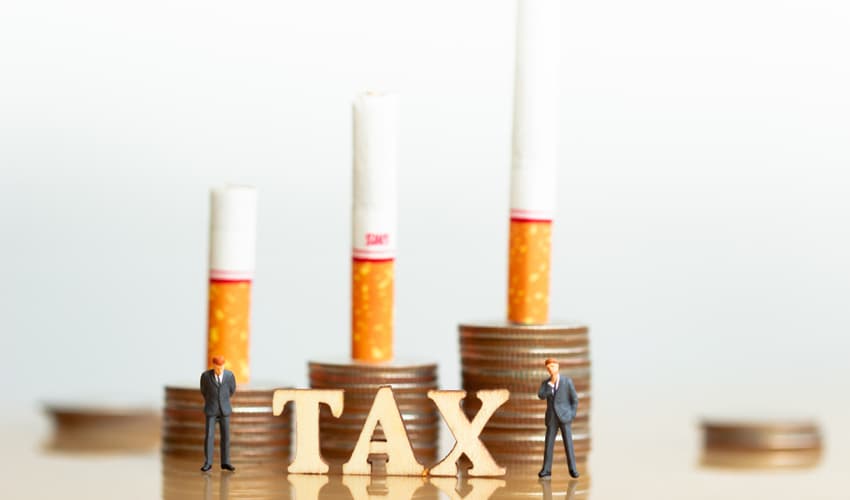
Pakistan’s formal tobacco sector contributes nearly Rs270 billion in taxes each year. Despite this, it now holds only 46% of the market. The remaining share belongs to untaxed, unregulated cigarette brands. These brands continue to expand as regulatory action remains limited.
The illegal cigarette trade is costing Pakistan an estimated Rs415 billion annually. The amount is nearly double what the formal industry contributes in taxes. This loss affects more than the economy. It limits funding for healthcare, education, and basic infrastructure.
As Pakistan’s formal tobacco sector shrinks and the illicit market expands, questions are being raised about those who claimed to work in the public’s interest. For years, international NGOs like Campaign for Tobacco-Free Kids and Vital Strategies focused their campaigns solely on the regulated industry, while remaining silent on the illegal trade that now dominates the market.
This selective advocacy not only enabled widespread tax evasion but also diverted attention from the core issue. Authorities have since halted the operations of these organisations, citing serious legal and regulatory violations. What was presented as public health advocacy is now being seen as a cover for non-compliance, policy disruption, and a total failure to confront the real threat.
Experts argue that these INGOs did not just neglect their mandate but they also undermined it.
The International Monetary Fund has also been pressing Pakistan to widen its tax base and enforce stronger revenue policies. As part of its own accountability, the IMF must ensure that its fiscal recommendations are not undermined by unchecked illegal markets. Experts argue that without tackling the booming illicit cigarette trade, Pakistan will fall short of the targets tied to IMF-backed reforms.
Fawad Khan, spokesperson for Mustehkam Pakistan, said the issue is being overlooked. “This is no longer a tobacco debate. This is about economic survival. Illicit trade is stripping the country of its ability to function. It is allowing lawbreakers to profit while those following the law are pushed out. The silence around it is not just harmful. It is deliberate.”
Policymakers are calling for better enforcement and stronger rules to bring parity between legal and illegal operators. The longer this imbalance continues, the harder it will be to recover the space already lost.